

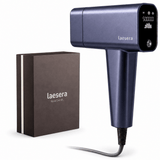
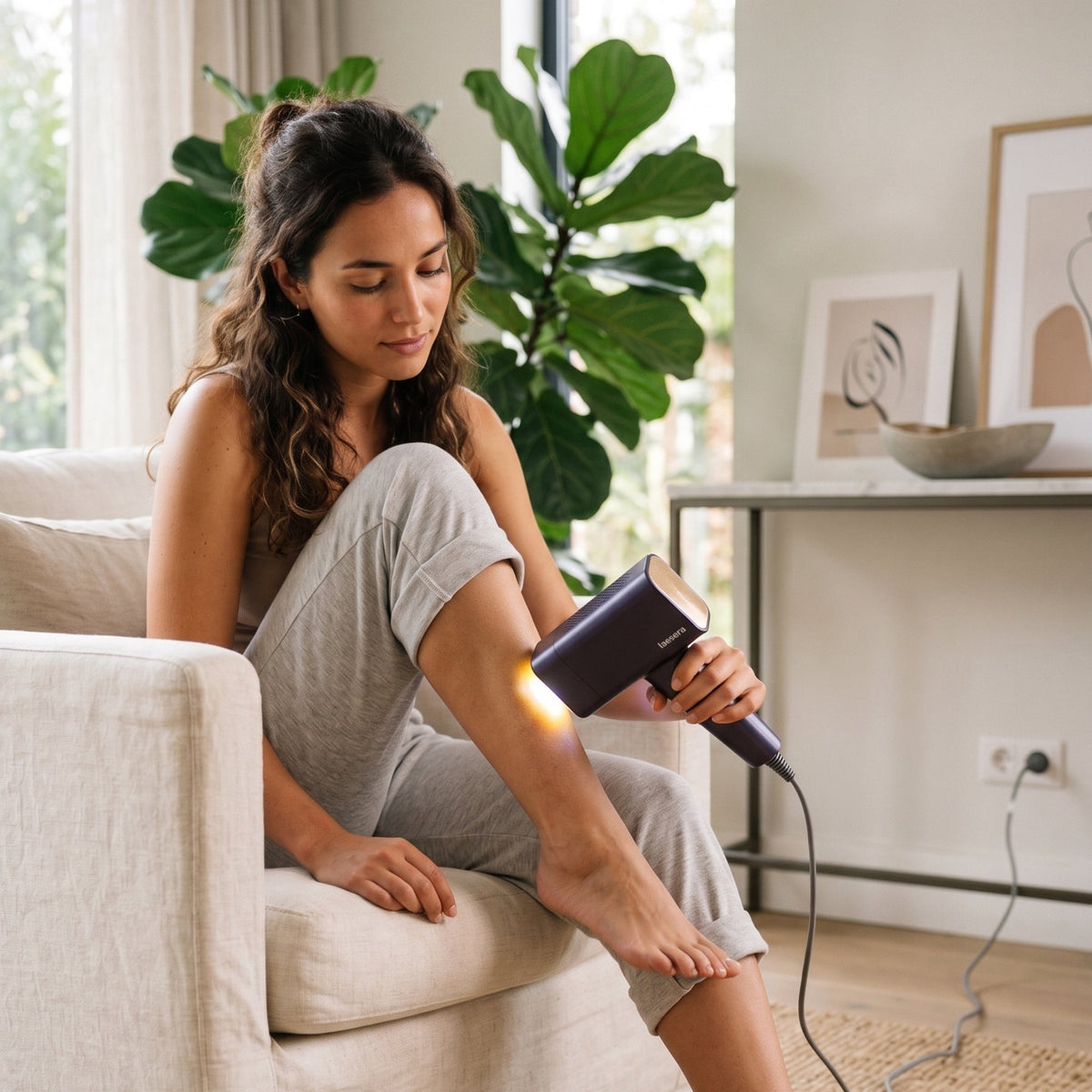
Je begint enthousiast met IPL, volgt de instructies zorgvuldig en verwacht na een paar behandelingen een gladde huid. Toch zie je nog steeds haargroei na IPL. Dat kan frustrerend zijn en zorgt vaak voor twijfel over de effectiviteit van het apparaat.
Maar in de meeste gevallen betekent dit niet dat IPL niet werkt. Het heeft vooral te maken met hoe haargroei werkt. IPL beïnvloedt namelijk alleen haren die zich op dat moment in een specifieke groeifase bevinden. Daardoor is ontharen met IPL een proces van meerdere sessies, niet van één behandeling.
In deze blog lees je waarom haargroei na IPL normaal is, hoe IPL resultaten zich ontwikkelen en wat je realistisch kunt verwachten van thuisontharing.
Wat is IPL en waarom zie je nog haargroei na IPL?
IPL staat voor Intense Pulsed Light. Het apparaat geeft lichtpulsen af die worden opgenomen door het pigment (melanine) in de haar. Die lichtenergie reist via de haar naar het haarzakje en verzwakt daar de groeicapaciteit van de haarwortel.
Belangrijk om te begrijpen: IPL werkt alleen goed op haren die actief groeien.
Haren groeien namelijk in verschillende fases:
- actieve groeifase (anagene fase)
- overgangsfase
- rustfase
Tijdens een IPL-behandeling worden vooral haren in de actieve groeifase beïnvloed. Maar op elk moment bevindt slechts een deel van je lichaamsbeharing zich in die fase.
Dat betekent dat sommige haren tijdens een sessie nog “slapend” zijn. Die kunnen later alsnog zichtbaar worden. Daardoor lijkt het soms alsof er nieuwe haargroei ontstaat, terwijl het eigenlijk gaat om haren die eerder nog niet behandelbaar waren.
Dit is precies waarom meerdere behandelingen nodig zijn.

Hoe werkt haargroei na IPL in de praktijk?
Veel mensen verwachten dat haren direct verdwijnen na de eerste behandeling. In werkelijkheid verloopt IPL veel geleidelijker.
De eerste weken gebeurt vaak dit:
| Periode | Wat je meestal ziet |
|---|---|
| Week 1-2 | Haren lijken nog door te groeien |
| Week 2-3 | Sommige haren vallen spontaan uit |
| Week 4-6 | Langzamere en dunnere haargroei |
| Week 6-12 | Zichtbaar minder haardichtheid |
Dat verklaart waarom je na IPL behandeling nog haargroei kunt zien. De haren die zichtbaar zijn, zijn niet altijd “nieuwe” haren. Vaak zijn het behandelde haren die nog moeten uitvallen of haren die pas later actief worden.
Een goed voorbeeld: stel je voor dat je een gazon maait terwijl niet al het gras tegelijk groeit. Sommige sprieten zijn al lang, andere komen pas later omhoog. IPL werkt op een vergelijkbare manier.
Consistentie is daarom belangrijker dan snelheid.
Hoelang duurt IPL ontharing resultaat echt?
Een veelgestelde vraag is: hoelang duurt IPL ontharing resultaat?
Dat hangt af van meerdere factoren:
- je huidtype
- haarkleur
- hormonale invloeden
- behandelconsistentie
- de kwaliteit van het IPL-apparaat
Gemiddeld zien de meeste gebruikers duidelijke IPL resultaten na ongeveer 8 tot 12 weken regelmatig behandelen.
Daarna gaan veel mensen over op onderhoudsbehandelingen, bijvoorbeeld eens per maand of eens per paar maanden.
Het is belangrijk om realistische verwachtingen te houden. IPL vermindert haargroei vaak sterk, maar betekent niet automatisch dat nooit meer een haar terugkomt. Hormonen, leeftijd en genetische aanleg kunnen invloed houden op nieuwe haargroei.
Dat is geen teken dat IPL “niet werkt”. Het hoort bij hoe het lichaam functioneert.
Voor wie werkt IPL goed en voor wie minder?
IPL werkt het beste wanneer er voldoende contrast bestaat tussen huid en haar. Je kan hier de test doen of IPL voor jou geschikt is.
Over het algemeen geldt:
| Huid- en haartype | Effectiviteit IPL |
|---|---|
| Lichte huid + donkere haren | Meestal zeer geschikt |
| Medium huid + donkere haren | Vaak geschikt |
| Blonde, rode of grijze haren | Minder effectief |
| Zeer donkere huidtypes | Afhankelijk van apparaat en sensor |
Donkere haren bevatten meer melanine. Daardoor kan het licht beter worden opgenomen.
Bij lichte, grijze of rode haren is minder pigment aanwezig. Daardoor heeft IPL minder “doelwit” om energie naar het haarzakje te sturen.
Ook hormonale factoren spelen een rol. Mensen met hormonale schommelingen, bijvoorbeeld door PCOS, zwangerschap of menopauze, kunnen sneller nieuwe haargroei ontwikkelen, zelfs tijdens een IPL-traject.
Waarom lijken haren soms eerst sneller terug te komen?
Dit is een van de grootste misverstanden rondom IPL.
Sommige gebruikers denken dat IPL de haargroei eerst erger maakt. Meestal is dat niet wat er gebeurt.
Wat je vaak ziet:
- behandelde haren worden tijdelijk zichtbaarder voordat ze uitvallen
- stoppels lijken harder omdat de haar loskomt
- slapende haren worden later actief
- scheren tussen sessies zorgt voor zichtbare stoppels
Dat laatste speelt vaak mee. Omdat je tijdens een IPL-schema blijft scheren, blijven stoppels zichtbaar aan de oppervlakte. Daardoor lijkt het alsof er “geen verschil” is, terwijl de haargroei onderhuids al vertraagt.
Veel mensen merken pas na enkele weken dat:
- haren langzamer groeien
- minder dicht terugkomen
- zachter aanvoelen
- kale plekjes ontstaan
De verandering is vaak geleidelijker dan verwacht.
Veelgemaakte fouten die IPL resultaten vertragen
Onregelmatig behandelen
IPL werkt op herhaling. Wanneer je sessies overslaat, mis je haren die nét in de actieve groeifase komen.
Vooral in de eerste 8 tot 12 weken is consistentie belangrijk.
Te snel stoppen
Sommige mensen stoppen na 3 behandelingen omdat ze nog haargroei zien. Maar dat is vaak precies het moment waarop het proces pas begint op te bouwen.
Verkeerde lichtintensiteit gebruiken
Te voorzichtig behandelen kan effectiviteit verminderen. Een apparaat met huidtoonsensor helpt om veilig een passende intensiteit te kiezen.
Waxen of epileren tussen sessies
IPL heeft een haarwortel nodig om effectief te werken. Bij waxen of epileren verwijder je juist dat doelwit.
Scheren is daarom meestal de aanbevolen methode tussen IPL-behandelingen.
Onrealistische verwachtingen
Social media laat vaak extreem snelle resultaten zien. In werkelijkheid reageert iedere huid anders.
IPL is meestal effectiever op lange termijn dan scheren, maar vraagt meer geduld in de beginfase.
Praktische tips voor betere IPL resultaten
Houd een vast behandelschema aan
Probeer behandelingen niet willekeurig te doen. Consequent behandelen geeft het haarzakje minder tijd om volledig te herstellen. Bekijk hier een IPL-behandelschema.
Maak foto’s van je voortgang
Omdat veranderingen langzaam gaan, merken veel mensen hun vooruitgang pas als ze foto’s vergelijken.
Scheer vlak voor de behandeling
Daardoor bereikt de lichtpuls beter het haarzakje zonder energie te verliezen aan haren boven de huid.
Vermijd actieve zonblootstelling
Een geïrriteerde of zongebruinde huid kan gevoeliger reageren op IPL.
Gebruik kalmerende aftercare
Na een behandeling kan de huid tijdelijk warm of licht rood aanvoelen. Een verkoelende aloe vera gel kan helpen om de huid sneller te verzachten en comfortabel te houden.
Wanneer worden IPL resultaten meestal zichtbaar?
De meeste beginners zien niet direct spectaculaire verschillen. Vaak begint het proces subtiel.
Eerste signalen van effectiviteit zijn meestal:
- haren groeien trager terug
- minder scheermomenten nodig
- zachtere stoppels
- ongelijkmatige terugkeer van haren
- kleine gladde zones
Na verloop van tijd worden die verschillen groter.
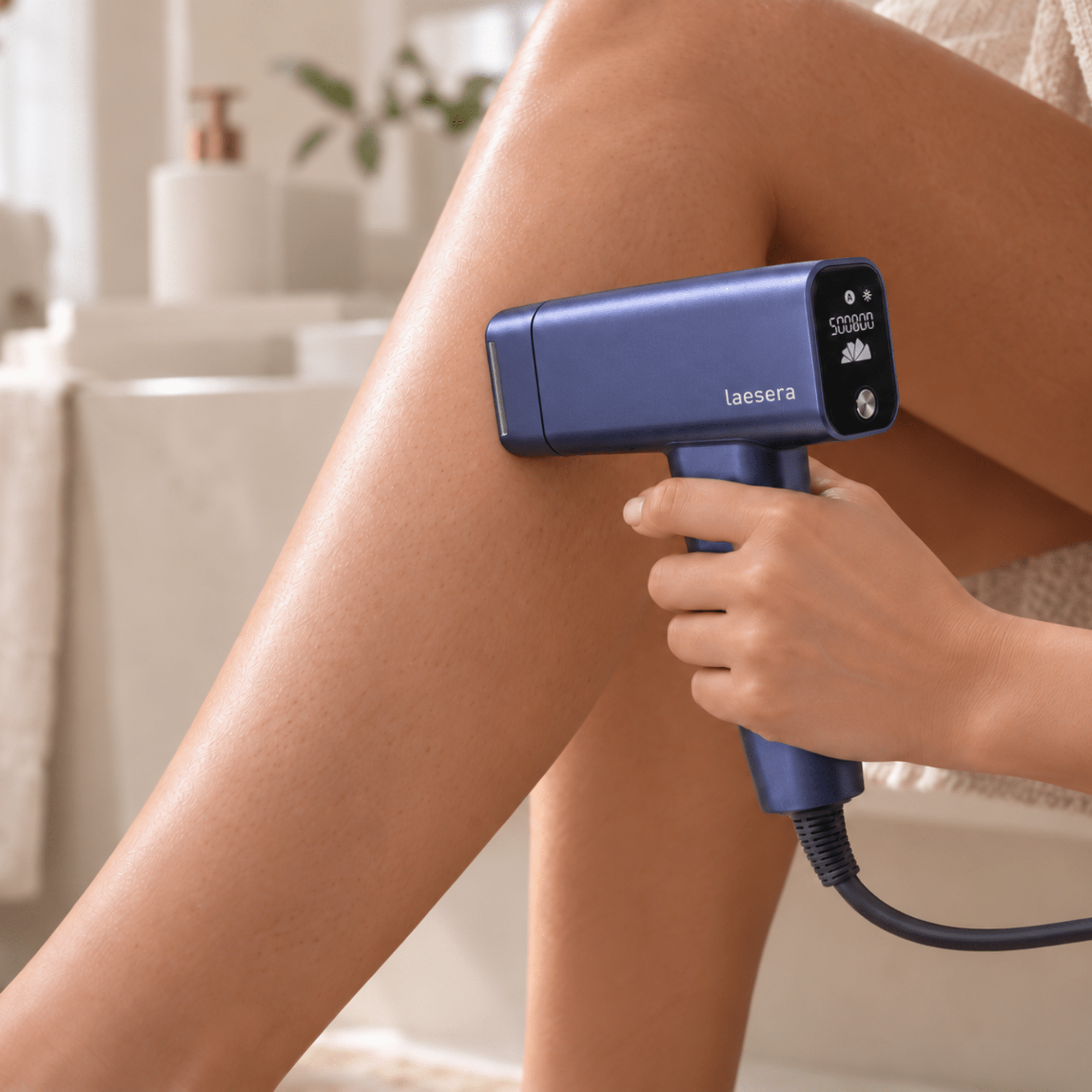
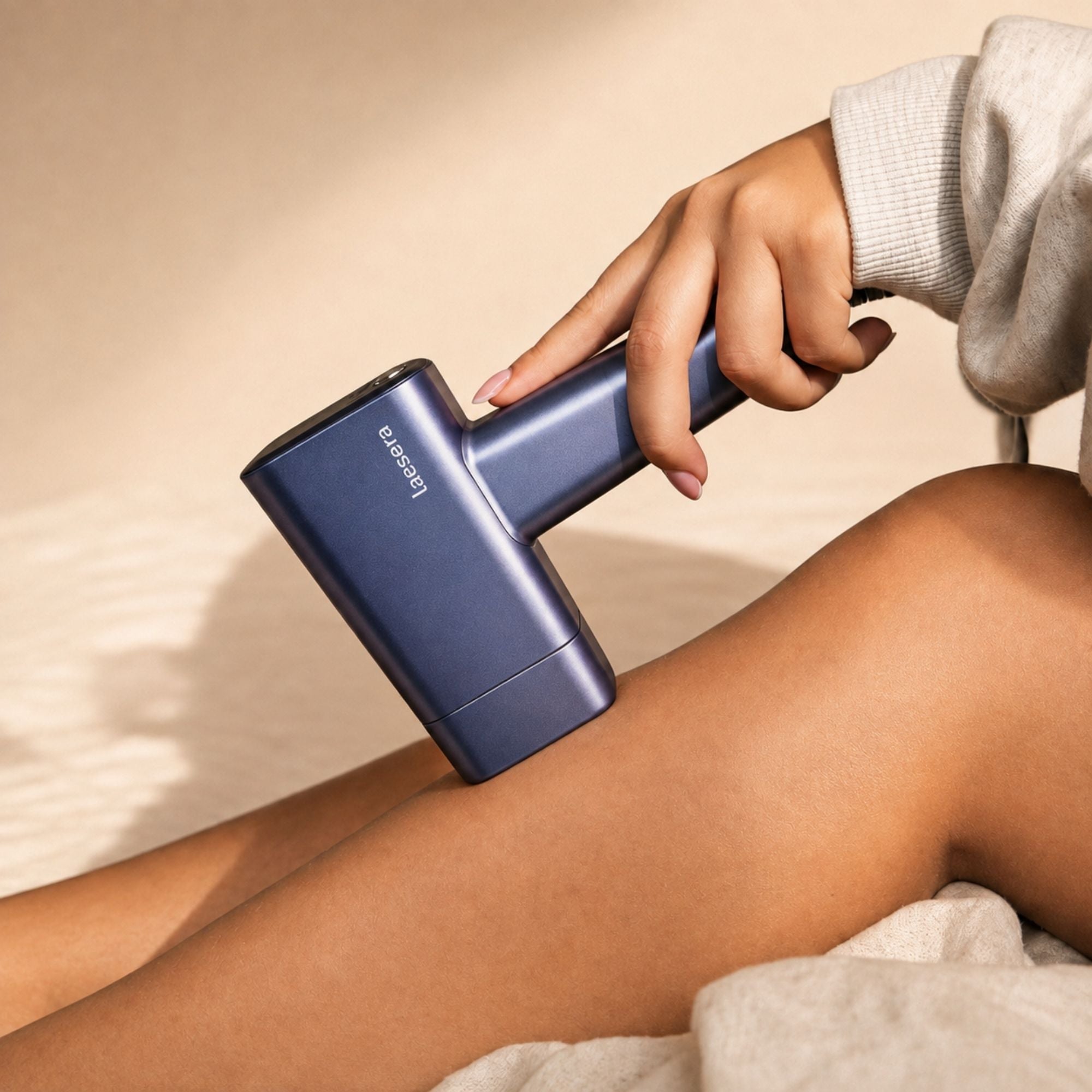
Een thuisapparaat zoals de Nova One IPL kan hierbij helpen doordat consistente behandelingen makkelijker worden volgehouden. Vooral functies zoals automatische huiddetectie en instelbare intensiteit kunnen bijdragen aan comfortabeler thuisgebruik.
Belangrijk blijft wel: het apparaat ondersteunt het proces, maar geduld en regelmaat blijven de grootste factoren achter goede IPL resultaten.
Conclusie
Haargroei na IPL betekent meestal niet dat de behandeling mislukt is. Het heeft vooral te maken met hoe haarcycli werken. Omdat niet alle haren tegelijk actief groeien, zijn meerdere behandelingen nodig om zichtbaar resultaat op te bouwen.
Voor beginners voelt dat soms tegenstrijdig. Zeker wanneer je na enkele sessies nog stoppels of nieuwe haartjes ziet. Toch ontstaan IPL resultaten vaak geleidelijk: langzamere groei, zachtere haren en steeds minder dichtheid.
Het belangrijkste is daarom consistentie, realistische verwachtingen en een routine die past bij jouw huid en tempo.
Share:
IPL and PMOS: does IPL work for hormonal hair growth?
Who is IPL suitable for, and who less so?