
Voor veel vrouwen met PMOS (voorheen PCOS) voelt ongewenste haargroei niet als een klein beautyprobleem, maar als iets dat dagelijks invloed heeft op zelfvertrouwen, comfort en routine. Denk aan stoppels op de kin, donkere haren in het gezicht of sneller terugkerende haargroei op buik, hals of borst.
Misschien heb je al van alles geprobeerd: scheren, harsen, epileren of zelfs salonbehandelingen. Toch blijft de vraag vaak hetzelfde: werkt IPL eigenlijk wel bij PMOS (voorheen PCOS)?
Het korte antwoord is: ja, IPL kan helpen bij hormonale haargroei. Maar hormonale haargroei werkt anders dan “gewone” haargroei. Daarom zijn eerlijke verwachtingen belangrijk. In deze blog leggen we uit hoe IPL en PMOS samenhangen, wat je realistisch kunt verwachten en wanneer thuis laseren wél of juist minder effectief is.
Wat is PMOS en waarom veroorzaakt het extra haargroei?
Polycysteus Ovarium Syndroom, meestal afgekort als PMOS, is een hormonale aandoening waarbij het lichaam gevoeliger kan reageren op androgenen. Dat zijn hormonen die invloed hebben op haargroei.
Daardoor kunnen haren:
- donkerder worden
- dikker aanvoelen
- sneller terugkomen
- groeien op plekken waar vrouwen normaal minder haar hebben
Veelvoorkomende zones zijn:
- kin
- bovenlip
- hals
- buik
- borst
- kaaklijn
Dit heet ook wel hirsutisme: overmatige haargroei door hormonale stimulatie.
Hoe werkt IPL bij hormonale haargroei?
IPL staat voor Intense Pulsed Light. Het apparaat geeft lichtpulsen af die worden opgenomen door melanine in de haar. De warmte bereikt vervolgens het haarzakje.
Het doel:
- de groeifase van de haar verstoren
- haargroei vertragen
- haren dunner maken
- minder zichtbare stoppels creëren
IPL werkt vooral tijdens de actieve groeifase van een haar. Omdat niet alle haren tegelijk in die fase zitten, zijn meerdere sessies nodig.
Bij PMOS blijft het lichaam echter nieuwe haren stimuleren via hormonen. Daarom werkt IPL bij hormonale haargroei vaak meer als langdurig onderhoud dan als een “eenmalige oplossing”.
Werkt IPL bij PMOS echt?
Ja, veel vrouwen met PMOS zien duidelijke vermindering van haargroei met IPL. Vooral:
- tragere teruggroei
- zachtere haren
- minder donkere stoppels
- minder irritatie door scheren
Maar de resultaten verschillen sterk per persoon.
Dat komt doordat PMOS niet alleen een haarprobleem is, maar een hormonale oorzaak heeft. Zelfs wanneer bestaande haren goed reageren op IPL, kunnen hormonen later opnieuw haarzakjes activeren.
Daarom zie je online soms heel verschillende ervaringen:
- sommige mensen merken snel verschil
- anderen hebben langere trajecten nodig
- sommigen hebben regelmatig onderhoud nodig
Dat betekent niet automatisch dat IPL “niet werkt”. Vaak betekent het dat hormonale haargroei meer consistentie vraagt.
Hoe werkt dit in de praktijk?
Bij normale haargroei zie je vaak binnen enkele weken vermindering. Bij PMOS duurt dat soms langer.
Een realistische tijdlijn:
- week 2–4: zachtere of langzamere haargroei
- week 6–8: zichtbare vermindering van dichtheid
- maand 3+: onderhoudsfase
Voor gezichtshaar bij PMOS is geduld extra belangrijk. Gezichtshaar reageert hormonaler en hardnekkiger dan bijvoorbeeld benen of oksels.
Waarom onderhoud belangrijk blijft
Bij hormonale haargroei draait IPL vaak om controle en vermindering, niet altijd om volledige blijvende verwijdering.
Veel vrouwen gebruiken daarom:
- eerst een intensieve opstartfase
- daarna onderhoudssessies
- extra behandelingen tijdens hormonale schommelingen
Dat klinkt misschien ontmoedigend, maar voor veel mensen voelt minder dagelijks scheren al als een enorme verbetering.
Stel je voor:
in plaats van twee keer per dag stoppels wegwerken, hoef je nog maar eens per paar dagen licht bij te werken. Voor veel vrouwen met PMOS maakt juist dát verschil in comfort en zelfvertrouwen.
Voor wie is IPL bij PMOS geschikt?
IPL werkt meestal het beste bij:
- donkere blonde tot zwarte haren
- lichte tot medium huidtypes
- duidelijke contrasten tussen huid en haar
Wanneer IPL vaak goed werkt
IPL bij hormonale haargroei werkt vaak goed wanneer:
- haren donker en zichtbaar zijn
- je consequent behandelt
- je realistische verwachtingen hebt
- je bereid bent onderhoud te doen
Wanneer resultaten beperkter kunnen zijn
IPL werkt minder goed bij:
- grijze haren
- rode haren
- zeer lichte blonde haren
- zeer donkere huidtypes bij sommige apparaten
Ook hormonale schommelingen kunnen invloed hebben op resultaten.
| Situatie | Verwachting |
|---|---|
| Donkere haren + lichte huid | Vaak goede respons |
| Gezichtshaar door PMOS | Mogelijk meer onderhoud nodig |
| Lichte of grijze haren | Minder effectief |
| Onregelmatig gebruik | Langzamere resultaten |
IPL of salonlaser bij PMOS: wat is het verschil?
Veel vrouwen twijfelen tussen thuis IPL en klinische laserbehandelingen.
Klinische laser werkt vaak krachtiger en gerichter. Dat kan voordelen hebben bij hardnekkige hormonale haargroei. Maar salonbehandelingen zijn meestal ook duurder en vragen onderhoudssessies.
Thuis IPL heeft andere voordelen:
- behandelen wanneer het jou uitkomt
- lagere kosten op lange termijn
- makkelijker onderhoud
- privacy en comfort thuis
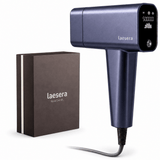
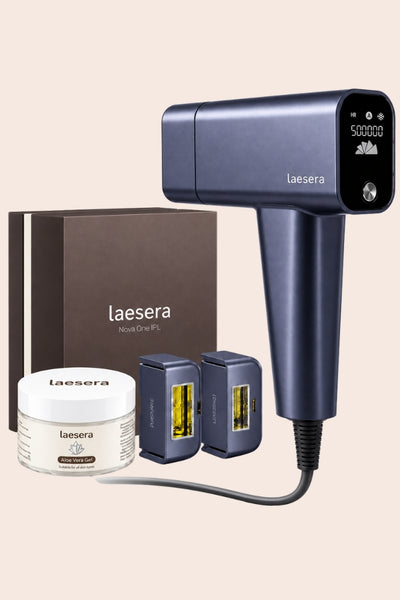
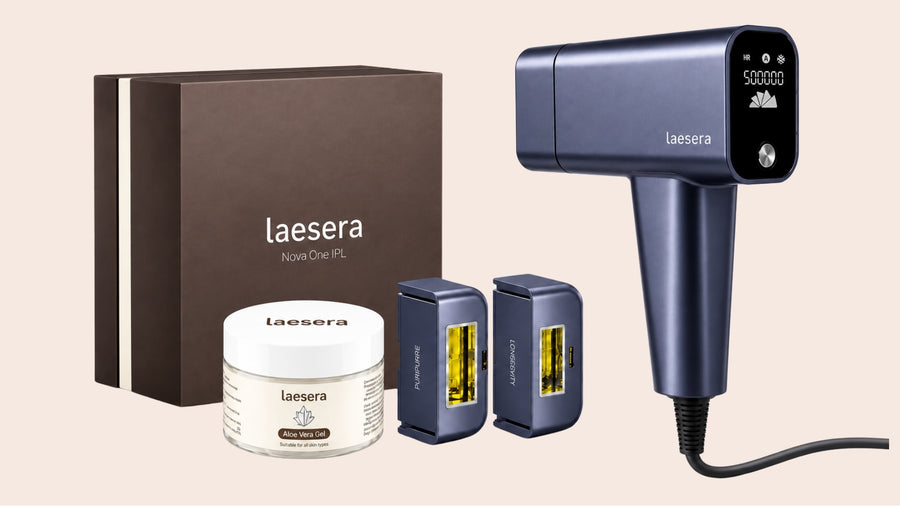
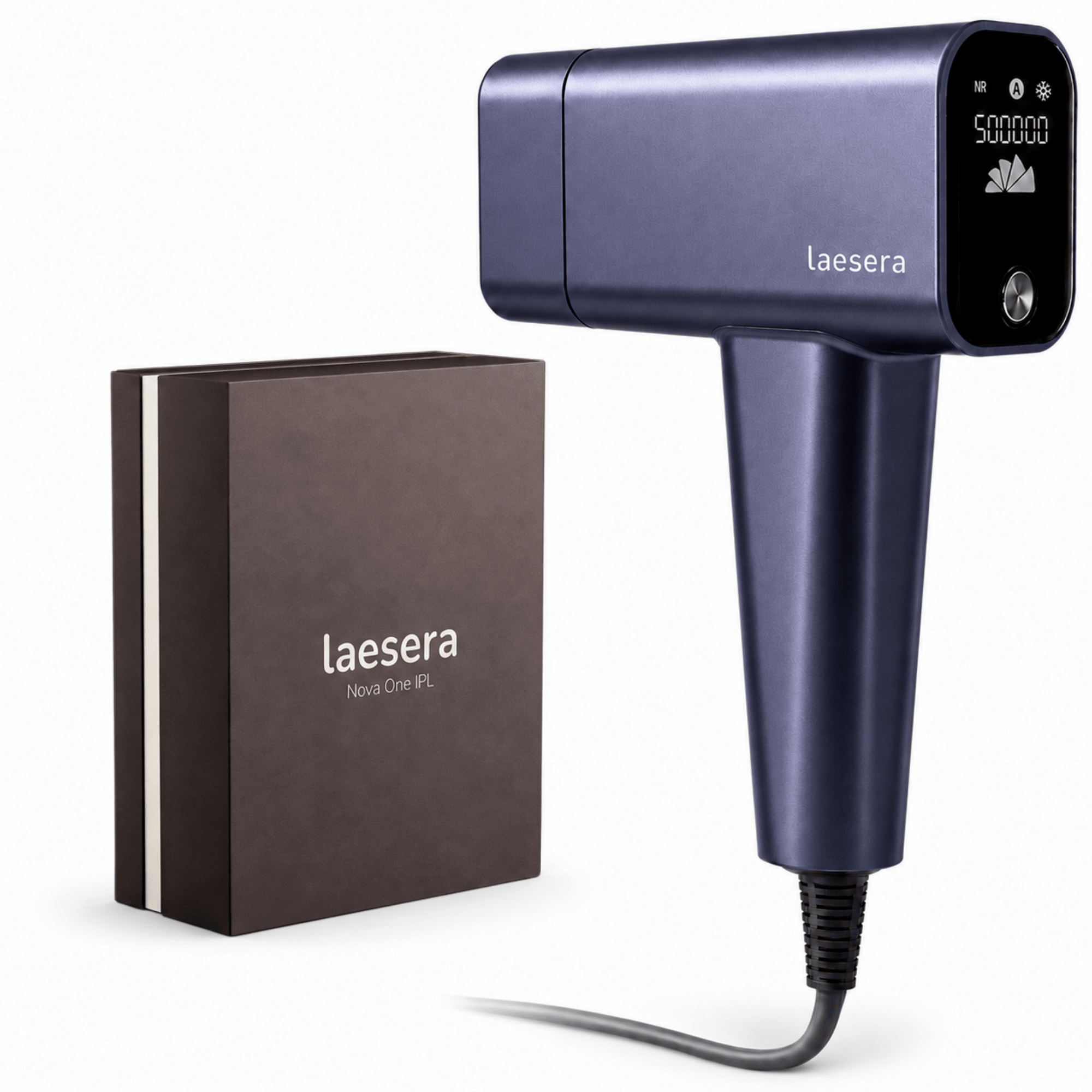
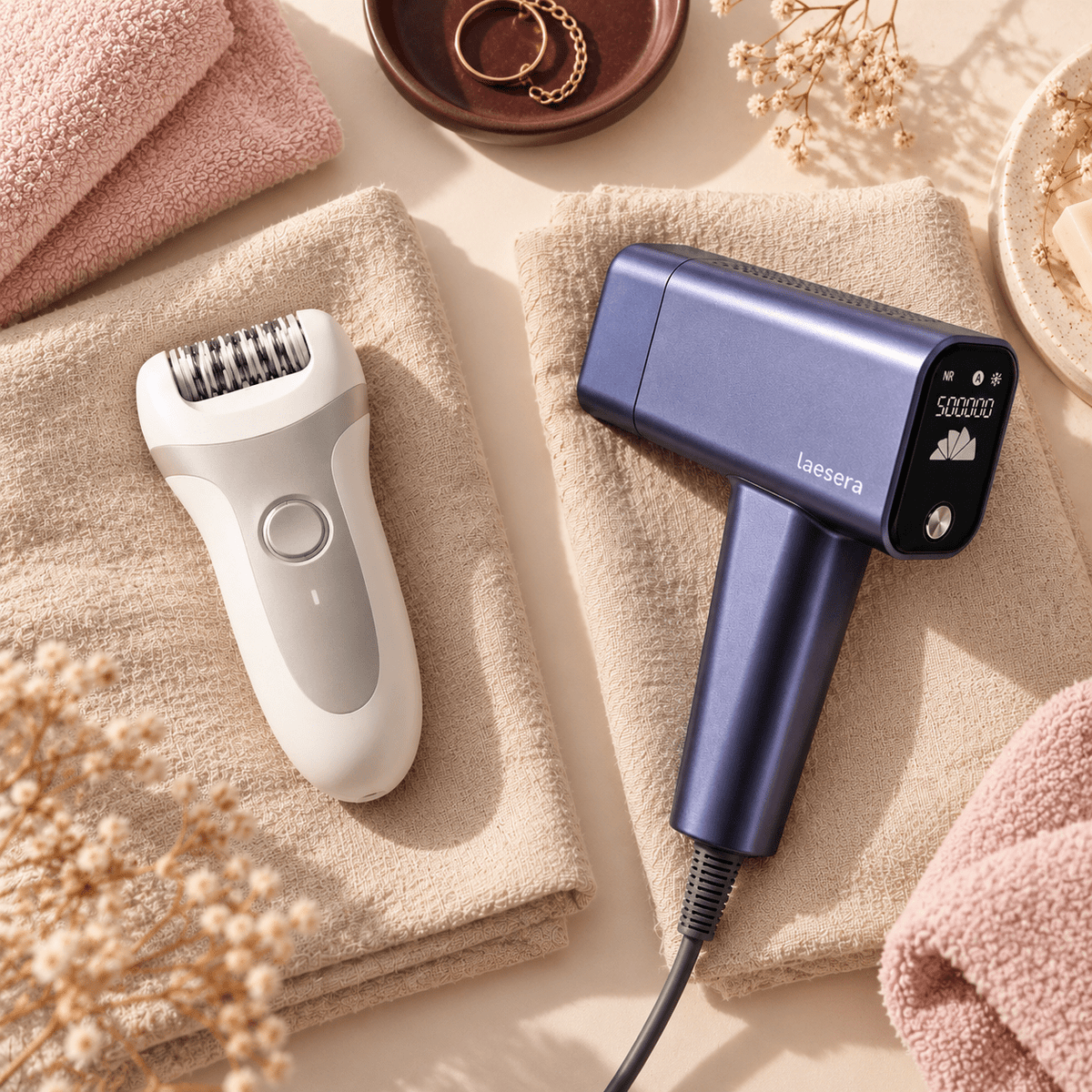
Voor veel vrouwen met PMOS werkt een thuisapparaat, zoals de Nova One, juist goed als consistente onderhoudsroutine.
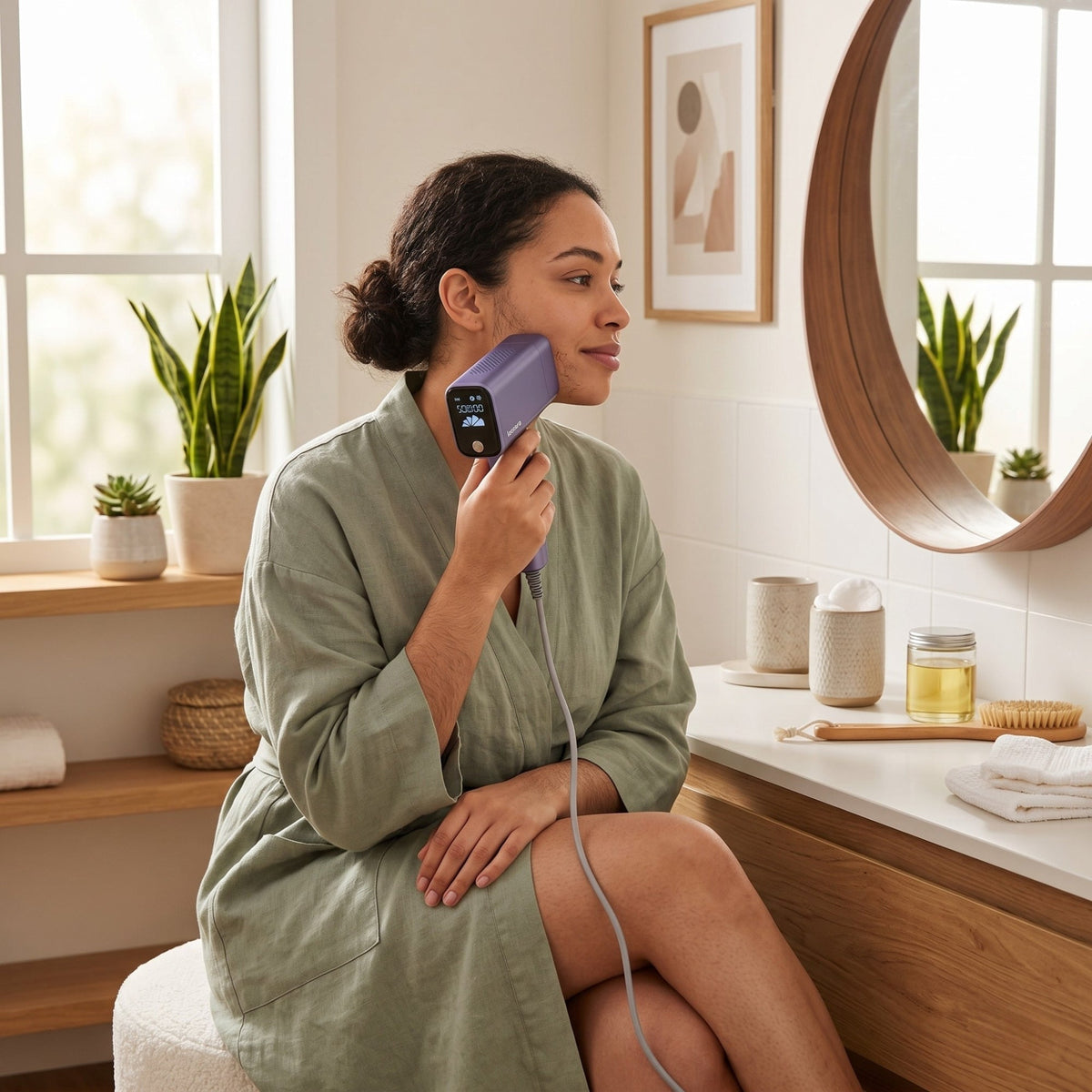
Een IPL-apparaat met huidtoonsensor en instelbare intensiteit helpt bovendien om veiliger en comfortabeler te behandelen, vooral op gevoelige zones zoals kin of hals.
Veelgemaakte fouten bij IPL en PMOS
Denken dat één behandeling genoeg is
IPL werkt geleidelijk. Zeker bij hormonale haargroei zijn meerdere sessies normaal.
Verwachten dat alle haren permanent verdwijnen
Dat is een van de grootste misverstanden online. PMOS blijft invloed hebben op hormonen. Nieuwe haren kunnen daarom later alsnog ontstaan.
Te snel stoppen
Veel mensen stoppen net voordat de eerste echte vermindering zichtbaar wordt. Consistentie is cruciaal.
Onregelmatig behandelen
IPL werkt het beste volgens een vast schema. Grote pauzes verminderen vaak het effect.
IPL gebruiken op ongeschikte haren
Lichte, grijze of rode haren bevatten minder melanine. Daardoor reageren ze minder goed op lichtpulsen.
Praktische tips voor thuis laseren met PMOS
Scheer vóór de behandeling
IPL werkt het beste wanneer het licht de haarwortel bereikt, niet lange haren boven de huid.
Gebruik een vast schema
Vooral in de eerste weken is regelmaat belangrijk. Zet eventueel vaste herinneringen in je agenda.
Begin op een lagere stand bij gevoelige zones
De kin, hals en bovenlip kunnen gevoeliger zijn dan benen of oksels.
Bescherm je huid tegen zon
Vermijd intens zonnen rond behandelingen. Een gebruinde huid kan gevoeliger reageren op IPL.
Kijk naar vermindering, niet perfectie
Bij PMOS draait succes vaak om:
- minder vaak scheren
- minder dikke haren
- rustigere huid
- minder irritatie
Dat zijn realistische én waardevolle verbeteringen.
Heeft IPL invloed op PMOS zelf?
Nee. IPL behandelt de haren, niet de hormonale oorzaak van PMOS.
Dat onderscheid is belangrijk.
IPL kan helpen om zichtbare haargroei te verminderen, maar het verandert geen hormoonwaarden of medische oorzaak. Daarom combineren sommige vrouwen IPL met:
- medische begeleiding
- hormonale behandeling
- voeding of leefstijlveranderingen
- huidverzorgingsroutines
Conclusie
IPL en PMOS (voorheen PCOS) kunnen goed samengaan, maar hormonale haargroei vraagt meestal meer geduld en onderhoud dan standaard haargroei. Voor veel vrouwen draait succes niet om “perfect haarvrij”, maar om minder stoppels, minder irritatie en meer controle over hun routine.
Het belangrijkste is daarom realistische verwachtingen hebben. IPL kan hormonale haargroei vaak zichtbaar verminderen, zeker bij donkere haren en consequent gebruik. Maar hormonen blijven invloed houden op nieuwe haargroei.
Juist daarom werkt een rustige, consistente aanpak meestal beter dan snelle beloftes.
Share:
Is IPL good for your face?
Why do you still see hair growth after IPL?