
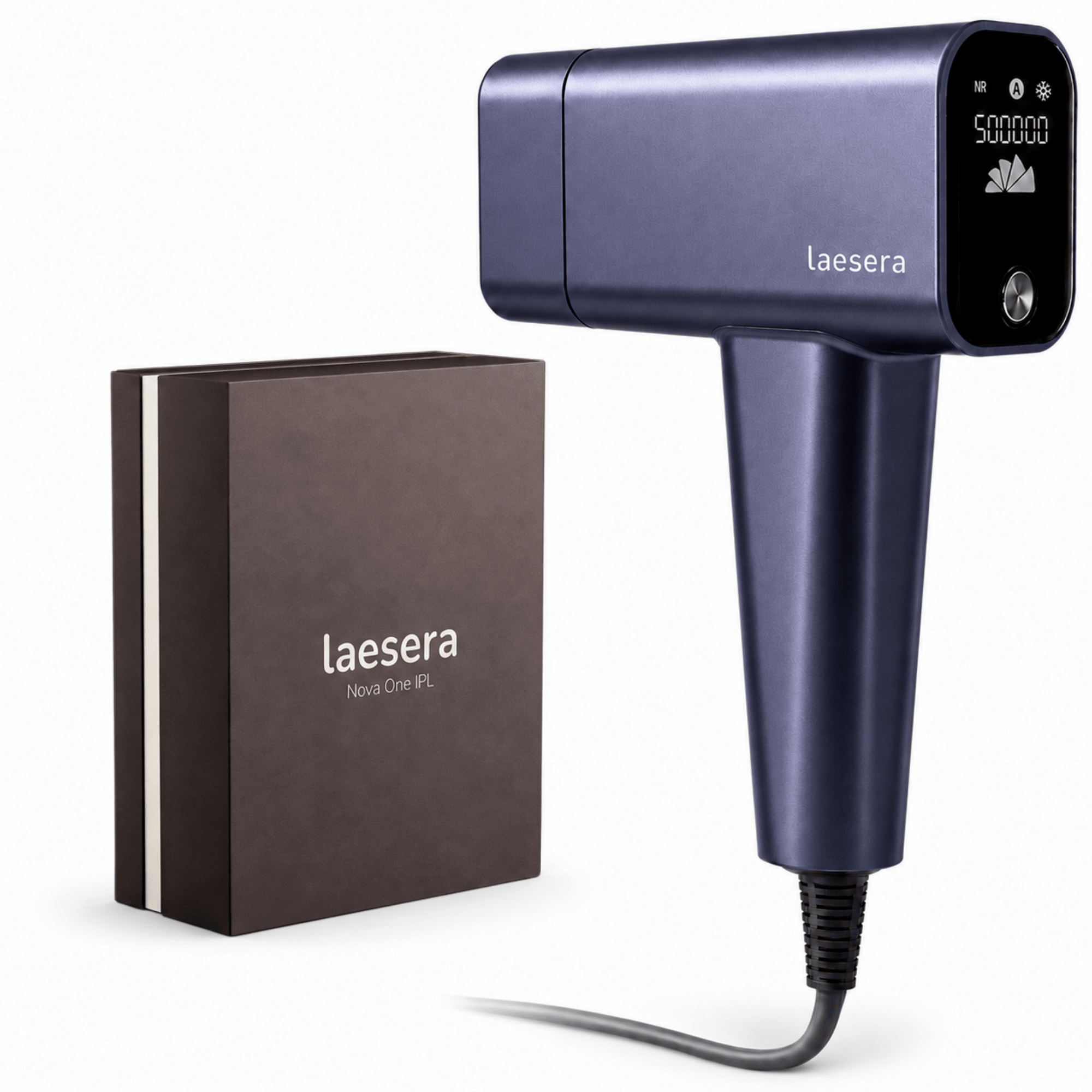
PMOS & IPL
Hormonal hair growth caused by PCOS responds differently to IPL than regular hair growth. On this page you will find an adapted treatment schedule for the Nova One, realistic expectations per skin type, and the medical red flags where a visit to your doctor matters more than a new device. Grounded in: the official Nova One manual, the clinical user test (>80% less hair after 7 weeks with non-hormonal hair growth) and current insights on hirsutism.
PMOS & EXCESS HAIR GROWTH
Where does PMOS cause hair growth?
PCOS (polycystic ovary syndrome) causes excess hair growth in specific areas through hormonal imbalance. Find out how effective IPL treatment is for each area.
The most common area with PCOS. Excess hair growth on the upper lip, chin and jawline due to raised androgen levels.
Hair growth on the neck and below the jawline. Often thicker, darker hairs that respond well to IPL.
Hair growth around the nipples and on the breastbone. A sensitive area where IPL is used at a lower intensity.
Hair growth on the lower abdomen and around the navel, often in a vertical line. Responds well to IPL thanks to the larger surface area.
Hair growth on the lower back and around the tailbone. Difficult to treat yourself, but IPL is effective here.
Thicker hair growth on the inner thighs and a more extensive bikini line. A large treatment area.
TAILORED TREATMENT SCHEDULE
IPL treatment schedule for PCOS
With PCOS, hair growth is hormonally driven. The standard IPL schedule is therefore not enough. Below is the adapted schedule with a longer build-up phase and ongoing maintenance.
Standaard schema
12 weken
Daarna maandelijks onderhoud
Bij PMOS
16–20 weken
Daarna doorlopend onderhoud
Phase 1: Build-up
Week 1–8An intensive build-up phase. With PCOS this phase is longer than standard (6 weeks) because hormonally driven hair growth requires more treatment cycles to reach every follicle in its growth phase.
Frequentie
2-3× per week
Intensiteit
Start at level 1-2
Verwacht resultaat
First reduction
With PCOS it can take longer before you see results. Hair growth on the face and chin often responds more slowly because of higher androgen levels. Keep treating consistently.
Phase 2: Reduction
Week 9–16Gradually reducing treatment frequency. Where the standard schedule already tapers after week 7, PCOS needs more time to reach comparable reduction.
Frequentie
1-2× per week
Intensiteit
Level 2-3
Verwacht resultaat
Visible reduction
With PCOS it can take longer before you see results. Hair growth on the face and chin often responds more slowly because of higher androgen levels. Keep treating consistently.
Phase 3: Evening out
Week 17–20Consolidating results and giving stubborn areas extra treatment. Focus on areas with the strongest hormonal influence, such as the face, chin and abdomen.
Frequentie
1× per week
Intensiteit
Level 2-4
Verwacht resultaat
Strong reduction
With PCOS it can take longer before you see results. Hair growth on the face and chin often responds more slowly because of higher androgen levels. Keep treating consistently.
Phase 4: Maintenance
OngoingBecause PCOS is a chronic hormonal condition, maintenance remains necessary. Unlike regular users, who can sometimes skip months, regular maintenance is essential with PCOS.
Frequentie
1-2× per month
Intensiteit
Level 2-3
Verwacht resultaat
Maintain your results
With PCOS it can take longer before you see results. Hair growth on the face and chin often responds more slowly because of higher androgen levels. Keep treating consistently.
Waarom is het PMOS-schema anders?
- Androgeenhormonen stimuleren voortdurend nieuwe haargroei, waardoor meer sessies nodig zijn
- De haargroeicyclus is bij PMOS verstoord; meer haren zitten gelijktijdig in de anagene (groei)fase
- Permanente onderhoudsbehandelingen zijn noodzakelijk zolang de hormonale disbalans aanhoudt
- Combinatie met medische behandeling (arts) kan de IPL-resultaten versterken
Everything about IPL and PCOS
Does IPL work for PCOS?
Yes, IPL can effectively reduce hair growth caused by PCOS. Clinical research shows that 76% of users achieve a good reduction (51–75%) and 24% an excellent reduction (>75%). The difference from regular hair growth is that PCOS is hormonally driven by raised androgen levels, so you need more sessions and ongoing maintenance is essential. The Nova One is suitable for home treatment on skin types I to IV, suitable to a limited extent for skin type V, and not suitable for skin type VI.
How many IPL sessions do you need with PCOS?
With PCOS you need more sessions than with regular hair growth. Where the standard treatment schedule assumes 12 weeks, a schedule of 16–20 weeks is more realistic with PCOS. The build-up phase takes 8 weeks (instead of 6), followed by a longer reduction phase. After that, ongoing maintenance sessions 1–2 times a month are needed to hold the results.
Is IPL or laser better for PCOS?
Clinical studies show that professional laser treatment (Alexandrite or Nd:YAG) is more effective than IPL for PCOS-related hirsutism, particularly on the face. A split-face study showed a hair-free interval of 7 weeks with laser versus 2 weeks with IPL on the face. The main difference, though, is practical: salon laser costs €2,500+ a year and requires appointments, while IPL can be used at home for a one-off investment. For many women with PCOS, the combination of lower cost, convenience and consistent use at home is decisive.
Can IPL permanently remove hair growth caused by PMOS?
No, IPL offers semi-permanent hair reduction, not permanent removal. This applies to all users, but especially with PCOS: because the hormonal stimulation continues, hair follicles keep being activated. IPL damages the follicles so hairs become finer, lighter and fewer, but without maintenance sessions the growth returns. Read more about what you can realistically expect from IPL.
Does IPL work on the face with PCOS?
IPL works on the face, but is less effective here than on the body. The face (upper lip, chin, jawline) is the area with the highest concentration of androgen receptors, which makes hair growth here the most hormonally driven. Use the precision attachment for the face, start at intensity 1–2, and only treat below the cheekbones. Expect more sessions (8–12) and shorter intervals between maintenance sessions than on body areas. Is IPL safe for the face? Read more about safety and your skin.
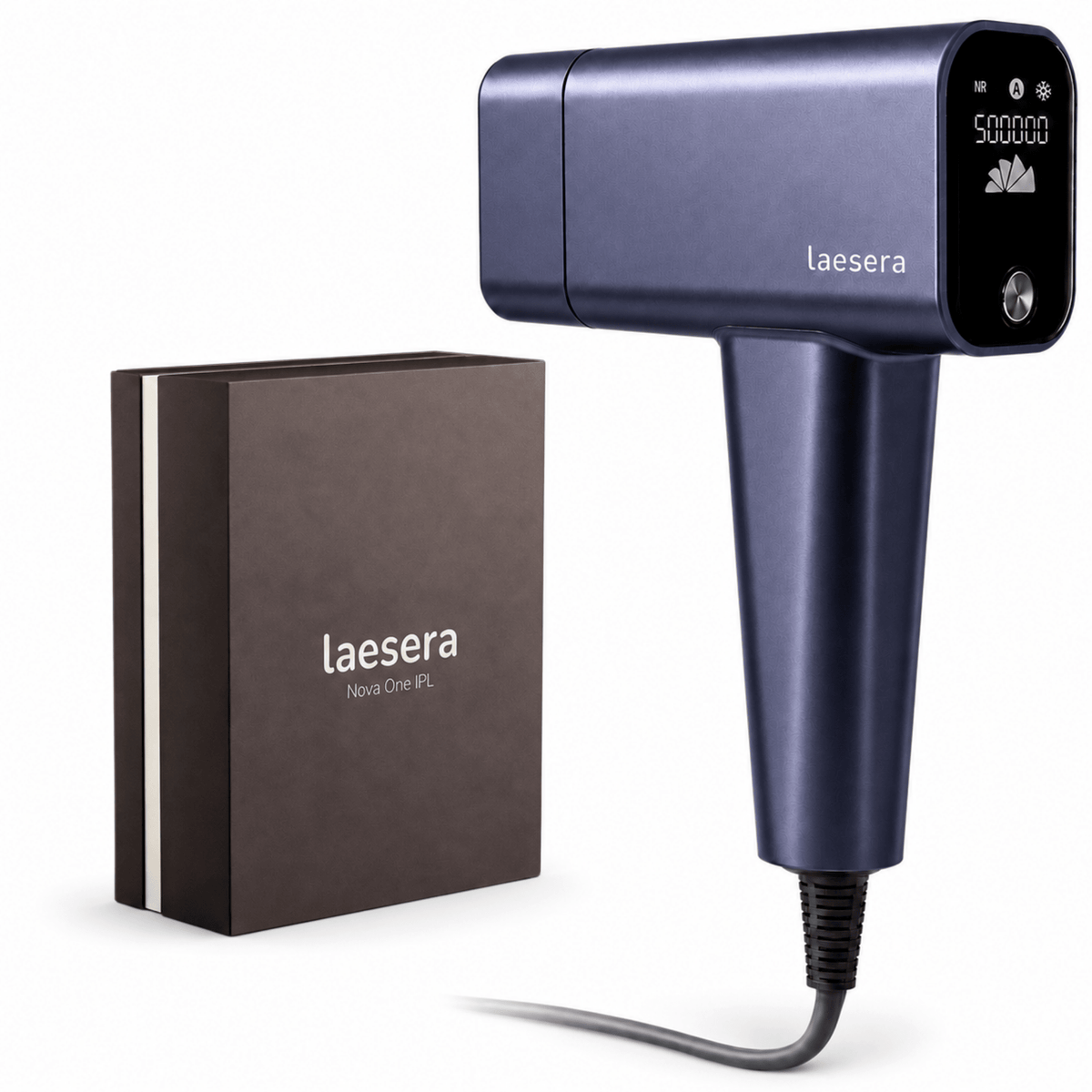
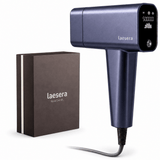
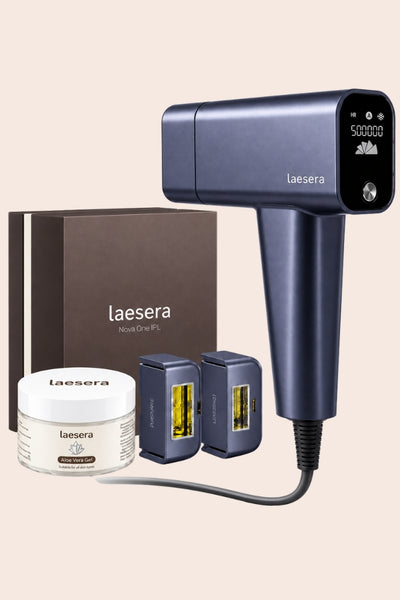
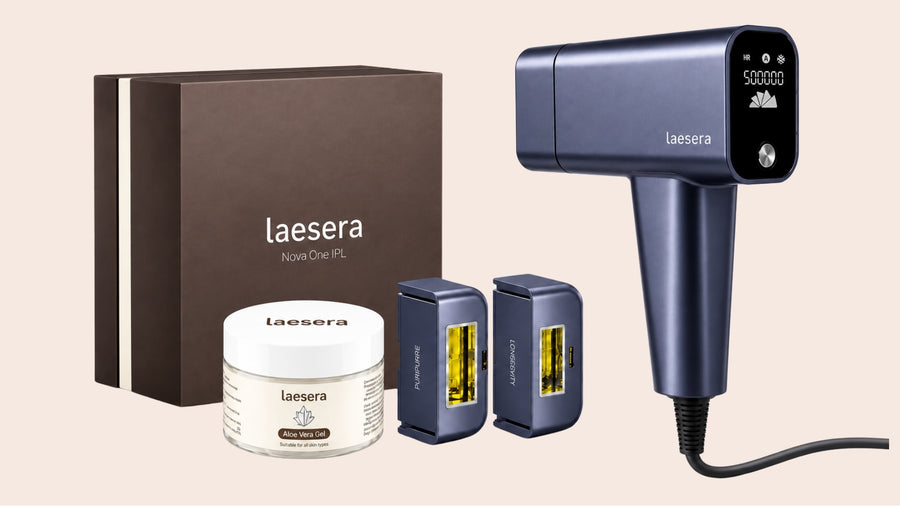
Nova One IPL
- Built-in ice cooling down to 5°C for comfort
- Automatic skin sensor; adjusts the intensity
- 500,000 flashes; enough for 15+ years of use
- Suitable for legs, underarms, bikini line and face
- CE-certified · clinically tested · designed in the Netherlands
€219,95€199,95Bestseller
or 3× €83 with · 0% interest