

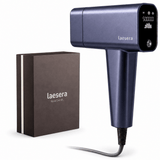

Wie zich verdiept in IPL-ontharing, loopt vroeg of laat tegen dezelfde vraag aan: werkt het echt alleen als je het consequent gebruikt? Het eerlijke antwoord is ja. Niet omdat IPL ingewikkeld is, maar omdat het effect van lichtontharing direct samenhangt met de natuurlijke groeicyclus van je haren. Juist daarom is consistentie geen detail, maar de basis van zichtbaar en langdurig resultaat.
Dat klinkt misschien minder aantrekkelijk dan het idee van een snelle oplossing. Toch is het juist logisch. IPL is geen methode die alle haren in één keer verwijdert, zoals scheren aan de oppervlakte doet. Het is een techniek die stap voor stap werkt aan langdurige haarvermindering. En dat lukt alleen wanneer je een vast schema volgt en realistische verwachtingen hebt.
Hoe werkt IPL en waarom vraagt het om herhaling?
Om te begrijpen waarom regelmaat zo belangrijk is, helpt het om eerst stil te staan bij de werking van IPL. IPL staat voor Intense Pulsed Light. Een IPL-apparaat geeft lichtpulsen af die worden opgenomen door het pigment in het haar, ook wel melanine genoemd. Die lichtenergie wordt omgezet in warmte, waardoor de haarfollikel wordt verhit en de toekomstige haargroei wordt afgeremd.
Daar zit meteen een belangrijke nuance in: niet ieder haartje is op elk moment even goed behandelbaar. Haren groeien namelijk in verschillende fases, en IPL is vooral effectief wanneer een haar zich in de actieve groeifase bevindt. Omdat niet alle haren tegelijk in die fase zitten, kan één behandeling nooit alle haren in één keer aanpakken.
Precies daarom is herhaling nodig. Door behandelingen op vaste momenten te herhalen, vergroot je de kans dat je steeds opnieuw haren bereikt die zich wél in de juiste fase bevinden. Zo bouw je resultaat op, sessie na sessie.

Waarom consistentie belangrijk is bij IPL-ontharing
Consistentie is belangrijk omdat IPL werkt als een opbouwproces. Het effect ontstaat niet door één losse behandeling, maar door herhaling volgens een vast ritme. Wie behandelingen overslaat of erg onregelmatig toepast, mist vaker het moment waarop bepaalde haren gevoelig zijn voor de lichtpuls. En dat zie je uiteindelijk terug in het resultaat.
Dat betekent in de praktijk:
- je bouwt resultaat op per sessie, niet in één keer
- je bereikt steeds andere haren binnen hun groeicyclus
- je vergroot de kans op een gelijkmatig resultaat
- je voorkomt dat je vooruitgang onnodig vertraagt
Voor thuisgebruik is dat misschien wel het belangrijkste inzicht. Een IPL-apparaat geeft veel vrijheid en comfort, maar vraagt ook om discipline. Juist omdat je het zelf inplant, maakt regelmaat het verschil tussen weinig verandering zien en maand na maand duidelijk minder haargroei merken.
Wat gebeurt er als je niet consequent bent?
Onregelmatig gebruik betekent niet automatisch dat IPL helemaal niet werkt. Het betekent vooral dat het traject minder efficiënt wordt. Je behandelt dan simpelweg minder haren op het juiste moment, waardoor haarvermindering trager zichtbaar wordt en het resultaat minder egaal kan aanvoelen.
Dat is vaak ook de reden waarom mensen teleurgesteld raken. Niet omdat de technologie tekortschiet, maar omdat het ritme ontbreekt dat nodig is om resultaat op te bouwen.
Een andere veelgemaakte fout is te vroeg stoppen. Zodra de haargroei afneemt, lijkt het soms alsof verdere behandelingen niet meer nodig zijn. Toch zijn juist die vervolgsessies belangrijk. Daarmee bereik je meer follikels in de juiste groeifase en help je het resultaat verder te stabiliseren. Langdurige haarvermindering ontstaat meestal niet door een korte periode van enthousiasme, maar door consequent volhouden.

IPL-ontharing versus scheren en waxen
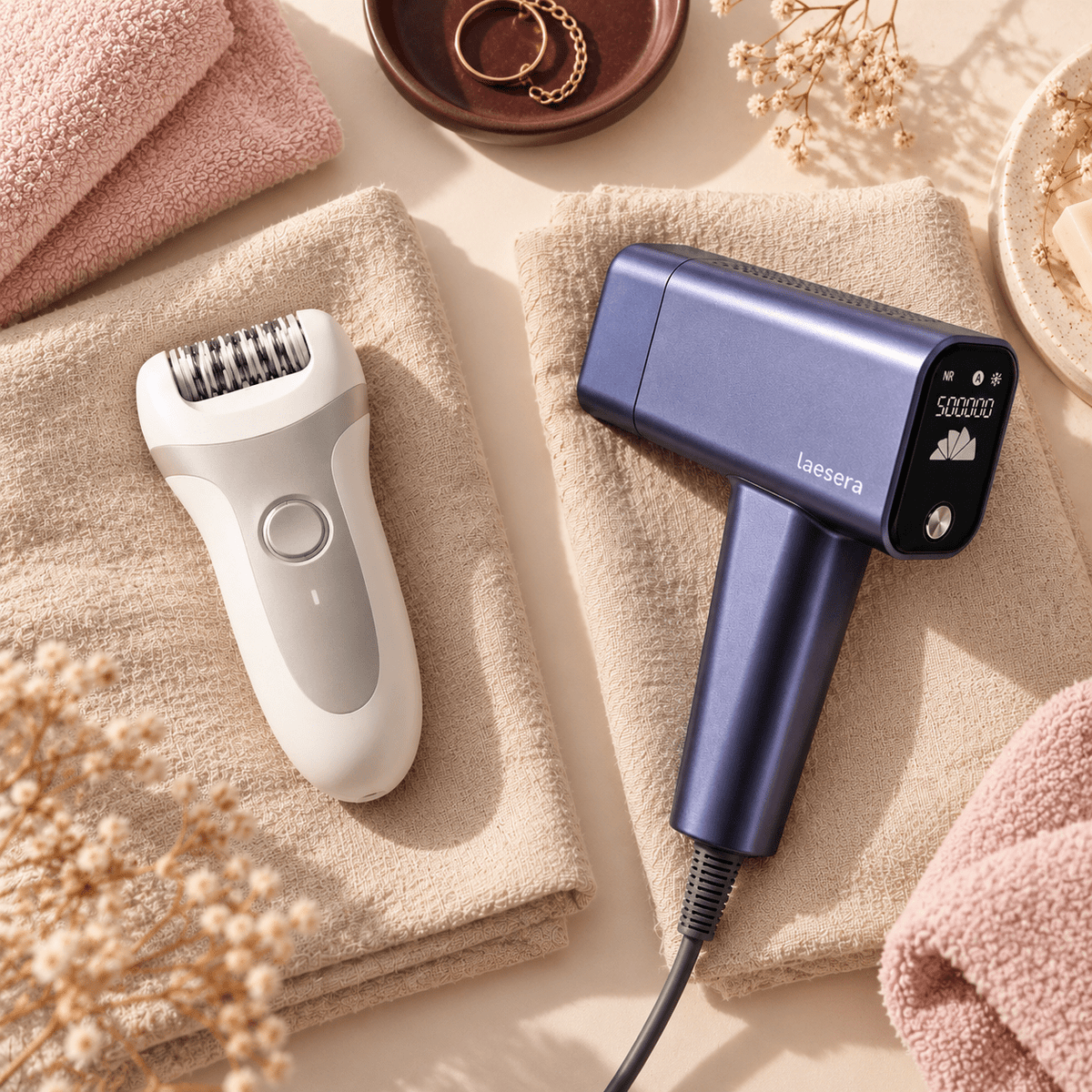
IPL werkt fundamenteel anders dan scheren of waxen. Scheren verwijdert het haar alleen aan de oppervlakte. Het resultaat is direct zichtbaar, maar meestal ook snel weer verdwenen. Waxen trekt het haar uit de huid, waardoor het langer wegblijft dan bij scheren, maar de haarfollikel blijft in principe in staat om opnieuw haar aan te maken.
IPL richt zich juist op die toekomstige haargroei. Dat maakt het een methode met een andere insteek: minder gericht op direct glad zijn voor een paar dagen, en meer op het stapsgewijs verminderen van haargroei op de langere termijn.
Dat verschil verklaart ook waarom consistentie zo belangrijk is. Bij scheren kun je zonder veel gevolgen een paar dagen overslaan en later weer doorgaan. Bij IPL speelt timing wél een rol. Omdat je werkt met de biologische cyclus van het haar, maakt herhaling op de juiste momenten echt verschil.
De voordelen van consistent gebruik
Bij correct en consequent gebruik kan IPL een aantal duidelijke voordelen bieden:
- minder snelle terugkeer van zichtbare haargroei
- haren die fijner of minder opvallend terugkomen
- minder behoefte aan heel frequente ontharing
- een routine die je thuis en in je eigen tempo kunt uitvoeren
Voor veel gebruikers is juist dat laatste aantrekkelijk. Je bent minder afhankelijk van last-minute scheren, salonafspraken of tijdelijke oplossingen. In plaats daarvan werk je toe naar een routine die rustiger en voorspelbaarder aanvoelt.
Tegelijk blijft nuance belangrijk. IPL is effectief voor veel mensen, maar niet voor iedereen op exact dezelfde manier.

Wat IPL wel kan en wat IPL niet doet
Een betrouwbare uitleg over IPL moet eerlijk zijn. IPL kan zorgen voor merkbare en langdurige vermindering van haargroei. Dat is iets anders dan de belofte dat er nooit meer één haar terugkomt.
Wat IPL wél doet
- haargroei op termijn verminderen
- terugkerende haren vaak fijner en minder zichtbaar maken
- de behoefte aan frequente ontharing verlagen
- onderhoud op lange termijn mogelijk beperken
Wat IPL níét doet
- in één sessie alle haren definitief verwijderen
- bij iedereen exact hetzelfde resultaat geven
- even goed werken op elk haar- en huidtype
Dat laatste is belangrijk om te benadrukken. IPL werkt over het algemeen het best wanneer er voldoende contrast is tussen huid en haar. Donkere, grovere haren reageren vaak beter dan zeer blonde, rode, grijze of witte haren. Ook huidtype speelt een rol in zowel veiligheid als geschiktheid.
Een realistisch IPL-schema geeft rust
Een goed IPL-schema is niet alleen belangrijk voor het resultaat, maar ook voor je routine. Zonder vast ritme wordt het al snel iets wat je uitstelt of vergeet. Met een duidelijke structuur wordt het juist makkelijker om vol te houden.
Voor veel mensen werkt een eenvoudige opbouw het best:
- een startfase waarin je regelmatig behandelt
- een vervolgfase waarin je resultaat verder opbouwt
- een onderhoudsfase voor wanneer haargroei terugkomt
Het belangrijkste is niet om zo vaak mogelijk te behandelen, maar om het schema van je apparaat consequent te volgen. Meer doen is niet automatisch beter. Een rustig, voorspelbaar ritme is meestal effectiever dan periodes van overenthousiast behandelen, gevolgd door lange pauzes.
Juist wanneer IPL onderdeel wordt van een bredere self-care routine, voelt consistentie minder als discipline en meer als iets vanzelfsprekends.
Veiligheid blijft altijd de basis
Consistent gebruik is belangrijk, maar veilig gebruik staat altijd voorop. IPL is geen methode om lukraak vaker toe te passen in de hoop op sneller resultaat. Zorgvuldigheid blijft essentieel.
Let daarom altijd op het volgende:
- volg de handleiding van het apparaat nauwkeurig
- behandel alleen zones waarvoor het apparaat geschikt is
- controleer of jouw huid- en haartype passend zijn
- wees voorzichtig bij gevoelige huid, medicatiegebruik of huidreacties
- vermijd zonblootstelling volgens de richtlijnen van het apparaat
Bij verkeerd of onzorgvuldig gebruik kunnen bijwerkingen optreden, zoals roodheid, irritatie of pigmentverandering. Consequent zijn betekent dus niet overmatig behandelen, maar verstandig en volgens de instructies werken.
Resultaat vraagt geen haast, maar regelmaat
Wie echt wil begrijpen waarom consistentie belangrijk is bij IPL-ontharing, komt uit bij een eenvoudige waarheid: IPL werkt in fases, omdat haren in fases groeien. Daardoor ontstaat resultaat niet door één perfecte sessie, maar door een reeks goed getimede behandelingen.
Dat vraagt in het begin misschien wat meer geduld dan scheren of waxen. Daar staat tegenover dat IPL juist aantrekkelijk is voor wie op de langere termijn minder afhankelijk wil zijn van tijdelijke ontharing. Niet abrupt, niet magisch, maar wel doordacht en stap voor stap.
En precies daarin zit de kracht van IPL. Niet in de belofte van instant perfectie, maar in het opbouwen van zichtbare vermindering door een routine die werkt.
Uiteindelijk draait het dus niet om zo vaak mogelijk behandelen, maar om trouw blijven aan een passend schema. Of, in zachtere woorden: glow ontstaat niet in één moment, maar in de keuzes die je consequent herhaalt.
Welke ontharingsmethode past op dit moment het best bij jouw routine: snel en tijdelijk, of juist rustiger en meer gericht op langdurige haarvermindering?
Share:
Does IPL hurt? What to expect
IPL and hormones: why hair growth returns and what you can do about it