
Je gebruikt trouw IPL, ziet eerst minder haargroei en dan ineens verschijnen er toch weer haartjes. Frustrerend, zeker als je dacht dat je er “klaar” mee was. Wie zoekt op IPL haargroei verminderen, komt vaak snelle claims tegen. Toch is de werkelijkheid genuanceerder.
IPL werkt op bestaande haren in de juiste groeifase. Hormonen kunnen ondertussen nieuwe haargroei stimuleren. Dat betekent niet meteen dat IPL niet werkt. Het betekent vooral dat je lichaam geen stilstaand systeem is. In deze blog lees je waarom haargroei terugkomt, welke rol hormonen spelen en hoe je jouw IPL-resultaat zo goed mogelijk behoudt.
Wat is IPL haargroei verminderen?
IPL haargroei verminderen betekent dat lichtpulsen via pigment in de haar worden omgezet in warmte, waardoor het haarzakje wordt verzwakt en de groei op termijn afneemt. IPL staat voor Intense Pulsed Light.
De techniek richt zich vooral op melanine: het pigment in donkere haren. Daarom werkt IPL meestal het beste bij een lichte tot medium huid met donkerblond, bruin of zwart haar. Zeer lichtblond, rood, grijs of wit haar bevat weinig pigment. Daardoor kan het licht minder goed worden opgenomen.
Een belangrijk punt: IPL behandelt haren niet allemaal tegelijk. Haar groeit in fases. Vooral de actieve groeifase is gevoelig voor lichtbehandeling. IPL werkt wanneer een haar zich in de groeifase bevindt, omdat de haarwortel dan gevoelig is voor flitslicht.
Daarom heb je meerdere sessies nodig. Niet omdat IPL “zwak” is, maar omdat je haarcyclus verspreid loopt. Dit verklaart ook waarom stoppels op sommige plekken sneller terugkomen dan op andere.
Hoe werken IPL en hormonen in de praktijk?
Stel je voor: je behandelt je benen acht weken lang netjes volgens schema. De haren worden zachter, groeien trager terug en sommige plekken blijven langer glad. Daarna merk je na een paar maanden weer wat stoppels.
Dat kan drie oorzaken hebben.
Ten eerste kunnen haren die eerder in rustfase waren later actief worden. Die zijn tijdens eerdere sessies minder goed geraakt. Ten tweede kan onderhoud nodig zijn, omdat IPL haargroei vermindert maar niet altijd definitief stopt. Laserontharing is een methode die haargroei sterk kan verminderen, maar waarbij haar na verloop van tijd kan terugkomen en onderhoud soms nodig is.
Ten derde spelen hormonen mee. Hormonen kunnen haarzakjes als het ware “aanzetten”. Dat zie je vaker bij zones die gevoelig zijn voor androgenen, zoals kin, bovenlip, hals, buiklijn, tepels en bikinilijn.
Bij hormonale schommelingen kan je lichaam dus nieuwe haren maken, ook als eerdere haren goed op IPL reageerden.
Waarom komt haargroei terug na IPL?
Haargroei die terugkomt na IPL is meestal geen teken dat alles voor niets was. Vaak gaat het om minder, fijnere of lichtere haren. Soms lijkt het alleen alsof “alles terug is”, omdat je extra let op elke nieuwe haar.
Toch zijn er situaties waarin haargroei duidelijk sterker terugkomt. Denk aan:
- stoppen of wisselen met anticonceptie;
- zwangerschap of de periode na zwangerschap;
- overgang of perimenopauze;
- PMOS (voorheen PCOS);
- verhoogde androgenen;
- stress en slaaptekort;
- aanleg voor donkere, stugge haren.
Bij PMOS en hirsutisme kan laser- of lichtbehandeling helpen, maar de resultaten kunnen minder voorspelbaar zijn. Een studie bij vrouwen met PMOS vond dat laserbehandeling gepaard ging met minder sterke vermindering dan verwacht. Een medische review over hirsutisme benoemt ook dat onderhoud en combinatie met behandeling van onderliggende oorzaken belangrijk kunnen zijn.
Belangrijk: IPL behandelt het zichtbare gevolg, namelijk haargroei. Het verandert je hormoonbalans niet.
Voor wie is IPL geschikt en voor wie minder?
IPL is vooral geschikt voor mensen met voldoende contrast tussen huid en haar. Donker haar op een lichte tot medium huid reageert meestal het beste. Bij weinig pigment in de haar is het effect beperkt.
| Situatie | Verwachting bij IPL |
|---|---|
| Donkere haren + lichte huid | Meestal beste resultaat |
| Donkere haren + medium huid | Vaak geschikt, afhankelijk van apparaat en instelling |
| Zeer donkere huid | Vaak minder geschikt door risico op huidreacties |
| Rood, grijs, wit of heel lichtblond haar | Meestal weinig effect |
| Hormonale haargroei | Kan verminderen, maar vaker onderhoud nodig |
| PMOS of hirsutisme | Resultaat mogelijk, maar minder voorspelbaar |
Gebruik IPL liever niet zonder medisch advies bij zwangerschap, actieve huidinfecties, verdachte plekjes, recente zonverbranding, bepaalde medicatie of huidaandoeningen. Bij twijfel is een arts of huidtherapeut de veiligste route.
Veelgemaakte misvattingen over IPL haargroei verminderen
“Als haar terugkomt, heeft IPL niet gewerkt”
Niet per se. IPL kan eerdere haren hebben verzwakt, terwijl nieuwe haren later actief worden. Vooral bij hormonale zones is dat normaal.
“Na één kuur ben je voor altijd klaar”
Dat is te absoluut. De American Academy of Dermatology benoemt dat de meeste mensen enige haargroei terugzien en dat onderhoudsbehandelingen nodig kunnen zijn.
“IPL werkt hetzelfde op elk lichaamsdeel”
Nee. Benen en oksels reageren vaak voorspelbaarder dan gezicht, kin of hals. De AAD geeft aan dat laserontharing op het gezicht bij vrouwen door hormonen minder permanent is dan op veel lichaamsdelen.
“Meer flitsen betekent sneller resultaat”
Te vaak behandelen helpt niet automatisch. Haren moeten in de juiste groeifase zitten. Te intensief behandelen kan de huid juist irriteren.
Praktische tips om IPL resultaat te behouden
Begin met een vast schema. Volg de aanbevolen opbouwfase van je apparaat en sla behandelingen niet zomaar over. Consistentie is belangrijker dan haast.
Scheer vóór je IPL-sessie. Niet waxen of epileren, want dan verwijder je de haarwortel die nodig is om het licht te geleiden.
Bescherm je huid tegen zon. Behandel geen verbrande of sterk gebruinde huid. Dat verhoogt de kans op irritatie.
Plan onderhoud. Na de opbouwfase hebben veel mensen eens per paar weken of maanden een onderhoudssessie nodig. Hoe vaak dat is, hangt af van je haargroei, huidtype, zone en hormonen.
Let op hormonale signalen. Krijg je plots veel stuggere haargroei op kin, hals, borst of buik? Of heb je ook acne, onregelmatige menstruatie of haaruitval op je hoofd? Bespreek dit dan met je huisarts.
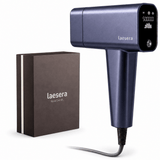
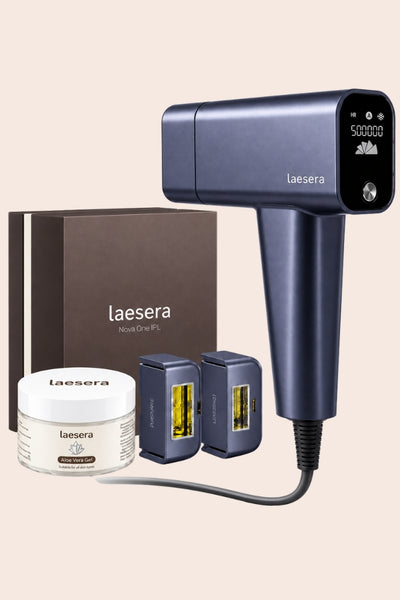
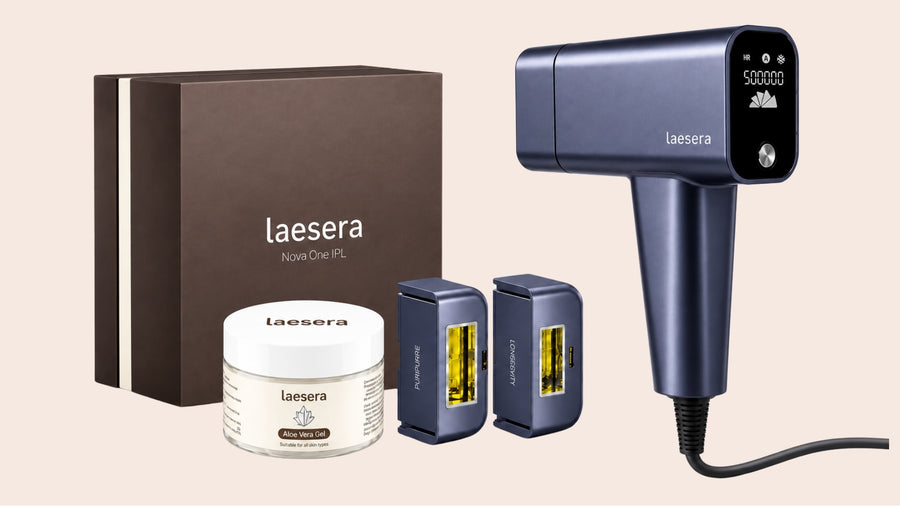
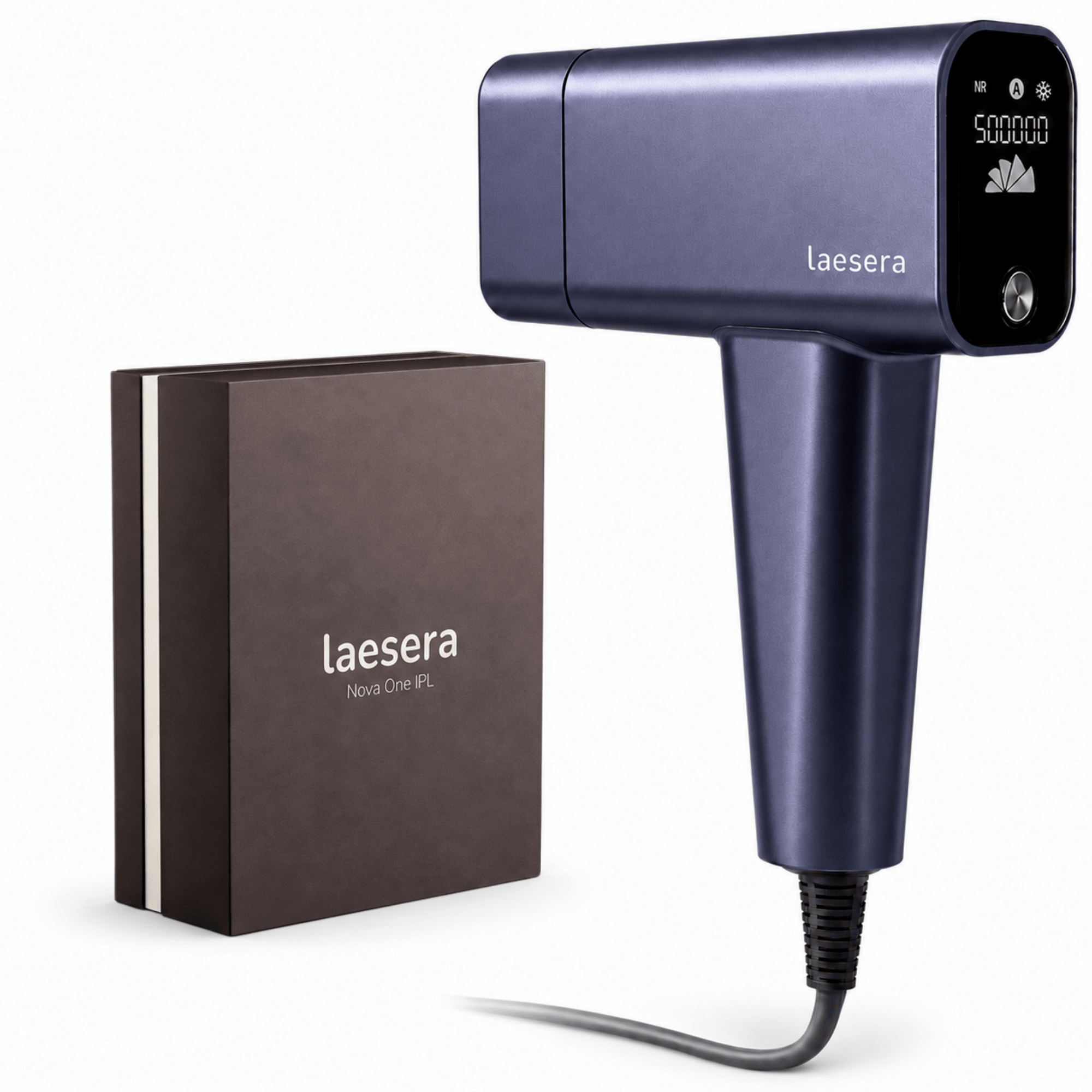
Een IPL-apparaat met huidtoonsensor kan helpen om de intensiteit beter af te stemmen op je huid. De Laesera Nova One past in zo’n routine voor wie thuis rustig en consequent wil behandelen, zonder overdreven resultaatclaims.
Conclusie
IPL kan haargroei zichtbaar verminderen, maar hormonen kunnen het resultaat beïnvloeden. Vooral hormonale zones vragen vaak meer geduld en onderhoud. Terugkerende haargroei betekent dus niet automatisch dat IPL niet werkt. Het betekent dat je routine moet passen bij je lichaam, je haarcyclus en eventuele hormonale factoren.
Een realistische aanpak geeft meestal het beste resultaat: consequent behandelen, mild omgaan met je huid en eerlijk kijken naar wat jouw lichaam nodig heeft.

Share:
Why consistency matters with IPL hair removal
Is IPL good for your face?