
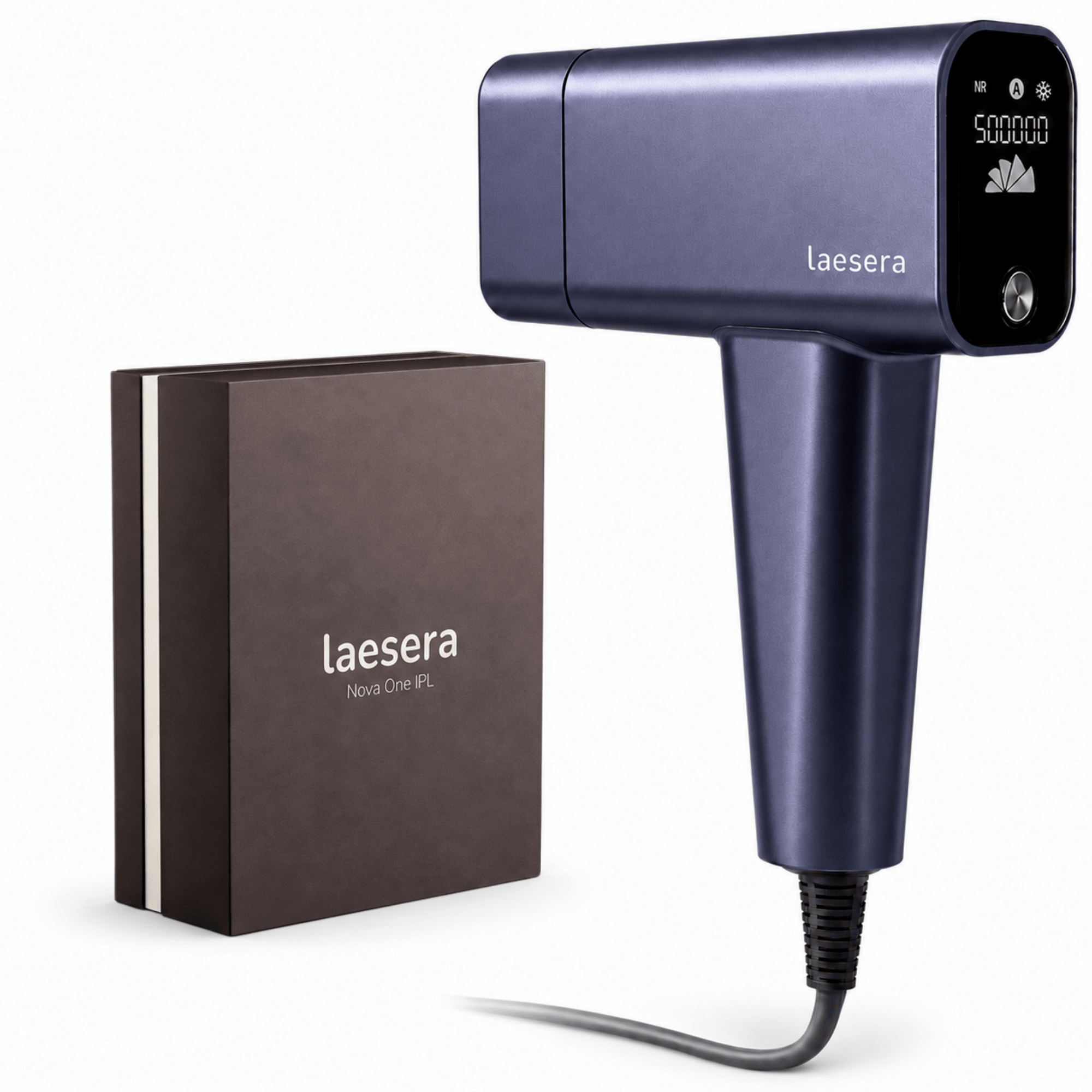
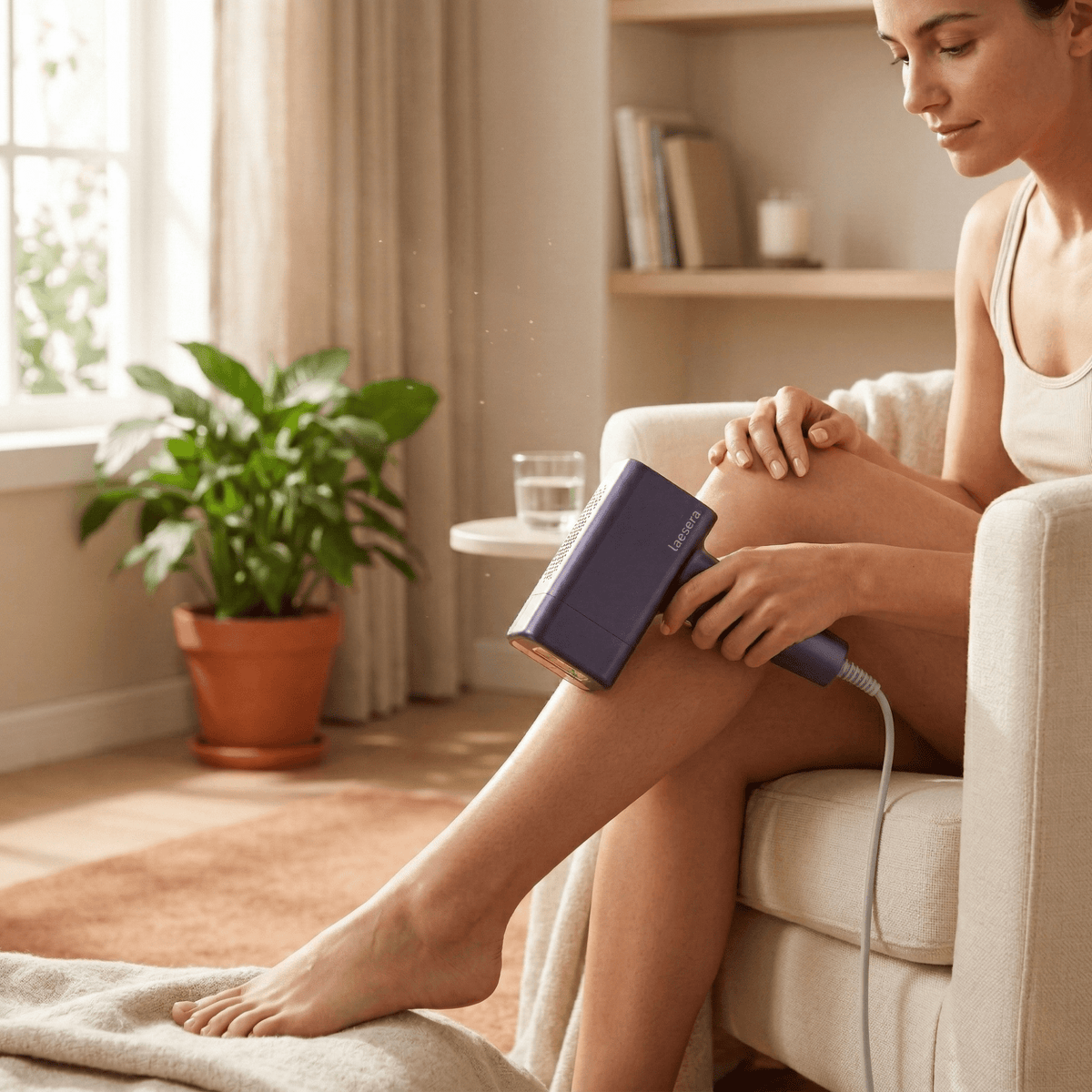
Het wordt weer bijna zomer. Terwijl je nog wisselt tussen panty’s, lange broeken en af en toe een regenbui, merk je dat je gedachten alvast vooruitlopen. Naar blote benen, lichte jurken en dagen waarop je niet eerst hoeft te controleren of je benen wel “zomer-proof” zijn. Misschien vraag je je ondertussen af: “Ben ik eigenlijk nog op tijd als ik nu begin met IPL ontharen voor de zomer?”
Het goede nieuws: ja, je bent op tijd. Juist nu is het perfecte moment om rustig een IPL-schema op te bouwen, zodat je in de vroege zomer merkt dat je benen minder snel en minder stug teruggroeien. In plaats van last-minute stress en haastige scheerbeurten, kies je voor een geleidelijke, comfortabele aanpak die past bij jouw ritme.
In deze blog neem ik je stap voor stap mee in hoe IPL werkt, wanneer je het beste kunt starten en hoe je er een ontspannen onderdeel van je self-care routine van maakt.
Waarom timing zo belangrijk is bij IPL ontharen voor de zomer
Om te begrijpen waarom je het beste nu, in het vroege voorjaar, start, is het goed om kort stil te staan bij wat IPL precies doet. IPL, of Intense Pulsed Light, werkt met lichtflitsen die door het pigment in je haartjes worden opgenomen. De warmte die daarbij ontstaat, verstoort het haarzakje, waardoor de haargroei geleidelijk minder wordt.
Belangrijk om te weten:
- Haren groeien niet allemaal tegelijk.
- IPL werkt het meest effectief in de groeifase van het haar.
- Je hebt daarom meerdere sessies, gespreid over weken, nodig.
Juist daarom is vroeg beginnen zo waardevol. Als je benen in juni of juli ontspannen glad moeten zijn, is maart een goed startpunt. Je geeft jezelf de tijd om consistent te behandelen, je huid te laten wennen en stap voor stap minder haargroei te zien. Geen haast, maar een rustige opbouw.
Wanneer moet je beginnen met IPL voor de zomer?
De vraag “Wanneer moet ik beginnen met IPL voor de zomer?” is heel logisch, zeker als je voor het eerst thuis gaat flitsen. Als richtlijn kun je ongeveer drie tot vier maanden rekenen tussen je startmoment en het moment waarop jij je summer-ready wilt voelen.
Handig om aan te houden:
- Begin maart → gericht op juni/juli ontspannen blote benen.
- Begin april → geschikt als je vooral hoogzomer en vakantie in augustus voor ogen hebt.
- Hoe eerder je start, hoe meer ruimte je hebt om het rustig op te bouwen.
Belangrijk is dat je het niet ziet als een snelle truc, maar als een zachte overgang. Je lichaam en je huid krijgen zo de tijd om mee te bewegen met de nieuwe routine.
Een rustig IPL schema vanaf het voorjaar
Stel dat je nu, in maart, begint. Hoe kan een eenvoudig schema er dan ongeveer uitzien, als je je richt op benen ontharen in de zomer?
Je kunt denken aan drie fases:
-
Fase 1 – Opbouwfase (eerste weken)
Je behandelt wekelijks. In deze periode leer je je apparaat kennen, kies je een lichtstand die goed voelt en zie je de eerste subtiele veranderingen: haartjes die minder snel terugkomen of net iets zachter aanvoelen. -
Fase 2 – Verfijnfase (daarna)
Je schakelt over naar om de twee weken. De haargroei wordt vaak duidelijker minder dicht en je hebt al minder vaak de neiging om tussendoor te scheren. Je bent vooral bezig met “afwerken” en gelijkmatig resultaat. -
Fase 3 – Onderhoudsfase
Je gaat naar eens in de vier tot acht weken, afhankelijk van je haargroei. De nadruk ligt op het behouden van het resultaat: hier en daar wat bijwerken, zonder dat het voelt als een groot project.
Zo wordt IPL ontharen voor de zomer geen sprint, maar een rustige lijn door je voorjaar heen.
Jouw IPL-schema richting de zomer
Omdat niet alle haartjes tegelijk in dezelfde groeifase zitten, werk je met een opbouwend schema: in het begin wat vaker, later steeds minder vaak.
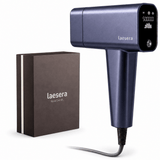
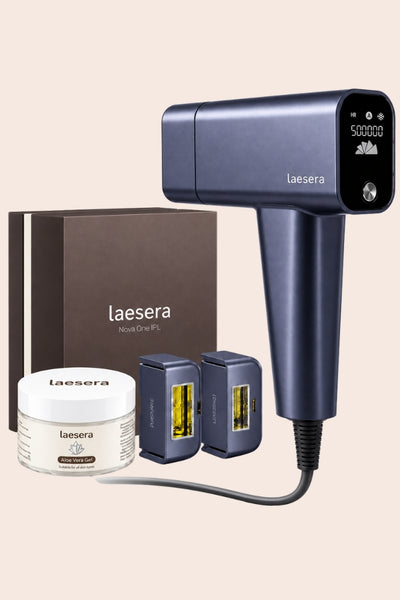
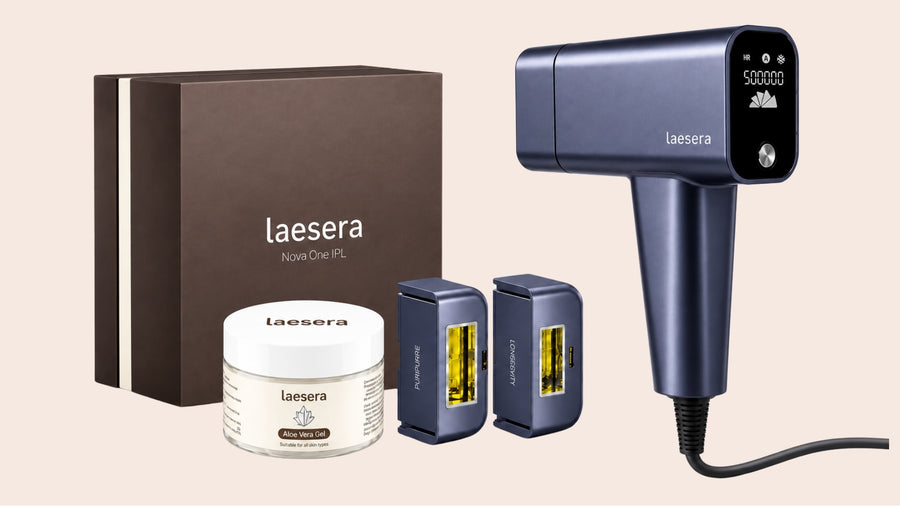
Op basis van de richtlijnen voor de Laesera Nova One IPL kun je uitgaan van het volgende:
| Fase | Periode | Frequentie per zone | Wat je ongeveer mag verwachten |
|---|---|---|---|
| Startfase | Week 1 t/m 4 | 2 keer per week | Je huid went aan de behandeling. Haargroei is er nog, maar haartjes komen vaak iets langzamer en minder stug terug. |
| Verfijnfase | Week 4 t/m 12 | 1 keer per week | De haargroei neemt zichtbaar af. Er blijven minder haartjes over en ze worden fijner en lichter. |
| Onderhoudsfase | Na 12 weken | 1–2 keer per maand, naar behoefte | Je behoudt het resultaat. Je flitst vooral bij wanneer je nieuwe of opvallende haartjes ziet. |
Je past dit schema toe op de zones die jij wilt behandelen, bijvoorbeeld benen, oksels en bikinilijn. Plan bij voorkeur vaste momenten in (bijvoorbeeld twee avonden per week in de startfase), zodat je routine rustig en goed vol te houden blijft.
IPL en de zon: hoe combineer je dat veilig?
Zomer betekent zon, en dat vraagt om iets meer bewustzijn wanneer je met lichtflitsen werkt. Bij IPL is het belangrijk dat je oplet met zonblootstelling en eventuele bruining van de huid.
Enkele basisregels:
- Flits niet op recent gebruinde huid (door zon of zelfbruiner).
- Bescherm behandelde zones dagelijks met SPF, zeker in de zomermaanden.
- Plan behandelingen op ‘rustige’ huidmomenten, dus niet direct na een intense zonnedag.
Op die manier houd je de combinatie van IPL ontharen voor de zomer en zonnige dagen veilig en prettig.

Van haastige scheerbeurt naar zacht zomer-ritueel
Veel vrouwen herkennen het: snel nog even je benen scheren onder de douche omdat het ineens warm is, of omdat je toch die jurk wilt aantrekken. Het voelt vaak als iets dat “erbij moet”, en niet als iets waar je echt de tijd voor neemt.
Met een doordacht IPL schema verschuif je dat. Je plant vaste momenten in, bijvoorbeeld één avond per week in de eerste fase, en bouwt er een klein ritueel omheen. Je zorgt dat de ruimte prettig aanvoelt, je neemt liever tien minuten extra dan vijf minuten stress, en rondt af met een milde bodylotion om je huid te kalmeren.
Zo wordt benen ontharen in de zomer het eindpunt van een proces dat al in het voorjaar is begonnen. Geen last-minute paniek, maar het rustige vervolg van wat je al weken voor jezelf aan het doen bent.
Is IPL voor iedereen even geschikt?
Bij educatie hoort ook eerlijkheid. IPL is niet voor iedereen in gelijke mate geschikt. In grote lijnen geldt:
- IPL werkt het beste bij donkere haren op een lichte tot medium huid.
- Hele lichte, rode of grijze haren bevatten minder pigment en reageren vaak minder op de lichtflitsen.
- Gebruik is soms niet wenselijk of vraagt extra voorzichtigheid bij bepaalde huidaandoeningen, medicatie of tijdens de zwangerschap.
Het is daarom belangrijk om:
- De gebruiksaanwijzing van je apparaat goed te lezen.
- Je huid tussendoor te blijven observeren.
- Bij twijfel een arts of huidprofessional te raadplegen.
IPL kan de haargroei vaak flink verminderen en vertragen, maar het is geen universele belofte voor iedereen. Realistische verwachtingen vormen een belangrijk onderdeel van het vertrouwen dat je in de behandeling hebt.

Summer-ready zonder stress: de essentie
Als je het terugbrengt tot de kern, draait summer-ready zijn met IPL om een paar eenvoudige keuzes:
- Begin op tijd – het vroege voorjaar is ideaal om te starten.
- Werk in fases – eerst opbouwen, dan verfijnen, uiteindelijk onderhouden.
- Blijf vriendelijk voor je huid – let op zon, gebruik SPF en kies milde skincare.
- Kies een apparaat dat bij je past – qua design, comfort en gebruiksgemak.
- Wees mild voor jezelf – één gemiste sessie maakt je traject niet “mislukt”.
Zo verandert IPL van “nog een klus” op je lijstje in een rustpunt in je week. Een moment waarin je letterlijk en figuurlijk werkt aan hoe jij je in je lichaam wilt voelen, straks in de zomer én daarna.
Own Your Glow; op jouw tempo
Een mooi ontworpen, intuïtief thuis-IPL-apparaat helpt om deze routine vol te houden. Als je waarde hecht aan design, comfort, veiligheid en effectiviteit, voelt het natuurlijker om het apparaat regelmatig te gebruiken. Het ligt prettig in de hand, past mooi in je badkamer of slaapkamer en nodigt uit tot een klein ritueel, in plaats van dat het als een klinische tool voelt.
Dat is precies waar Own Your Glow over gaat:
- zelf bepalen wanneer je behandelt
- zelf kiezen hoe je jouw lichaam verzorgt
- en met een rustig gevoel de zomer in gaan, omdat je er in maart al liefdevol mee begonnen bent.
Share:
IPL hair removal at home: experiences from real users of IPL hair removal
IPL hair removal device review: the Laesera Nova One reviewed by a beauty professional