


IPL-thuisbehandelingen klinken eenvoudig: apparaat aan, flitsen en klaar. Maar je huid is niet overal hetzelfde. De dikte, gevoeligheid en haarstructuur verschillen per zone en dus ook de manier waarop je IPL veilig en effectief gebruikt.
In deze gids nemen we je mee langs de belangrijkste lichaamszones: benen, gezicht, oksels en bikinilijn. Je ontdekt welke behoeften je huid daar heeft, welke risico’s je wilt vermijden en hoe je IPL zo inzet dat het past bij jouw lichaam, comfort en tempo.
Waarom per zone kijken naar IPL?
Je huid is geen uniform oppervlak. Per lichaamsdeel variëren:
- Huiddikte; je onderbenen zijn anders dan de huid rond je mond
- Gevoeligheid; sommige zones reageren sneller met roodheid of prikkeling
- Haardikte en -kleur; okselhaartjes zijn vaak grof en donker, gezichtshaar fijner
- Functionaliteit; oksels en bikinilijn zijn vochtigere, warmere zones; benen en gezicht meer aan licht en lucht blootgesteld
IPL (Intense Pulsed Light) werkt door lichtpulsen naar het pigment (melanine) in de haarwortel te sturen. Dat maakt de haarfollikel inactiever, waardoor haargroei afneemt. Dit vraagt om nuance: wat comfortabel is op je benen, kan te intens zijn op je bovenlip.
Overzicht: verschillen per lichaamszone
Onderstaande tabel geeft een eerste, beknopt overzicht van de vier hoofdgebieden – plus enkele extra zones, en wat ze uniek maakt voor IPL-gebruik.
Kenmerken en aandachtspunten per zone
| Zone | Huiddikte & gevoeligheid | Haartype & behoefte | Belangrijkste gevaren/risico’s | Aanpak & aandachtspunten |
|---|---|---|---|---|
| Benen | Relatief dikkere huid, meestal minder gevoelig | Vaak gelijkmatige groei, van fijn tot middelgrof | Overbehandeling (te vaak flitsen), droge of trekkerige huid | Rustig in banen werken, 1 zone per keer. Goed hydrateren na de behandeling. |
| Gezicht (vrouw) | Dunnere, gevoelige huid, vooral rond mond & kaak | Fijne tot middelgrove haartjes, vaak hormonaal beïnvloed | Irritatie, hyperpigmentatie bij onbeschermde zon, te dicht bij ogen flitsen | Alleen onder de jukbeenderen. Altijd SPF overdag, gevoelige huid rustig opbouwen. |
| Oksels | Dunne, kwetsbare huid in huidplooien | Grover, donkerder haar | Irritatie door warmte en wrijving, ingegroeide haren, te hoge intensiteit | Huid goed opspannen, schoon en droog. Start met lagere intensiteit. |
| Bikini-/brazilian | Gevoelig, dunner en sterk gevasculariseerd | Zeer grove haren, vaak donker | Pijn, irritatie, branderig gevoel, gebruik te dicht bij slijmvliezen | Alleen op huid, nooit op slijmvliezen. Kleine zones, pauzeer zodra het ongemakkelijk voelt. |
| Armen | Gemiddelde huiddikte, meestal niet extreem gevoelig | Dons tot normale haren | Droogte, lichte irritatie | Geschikt voor wie gelijkmatiger, rustigere haargroei wil. |
| Buik/onderbuik | Gemiddelde dikte, soms wat gevoeliger | Verspreide, vaak donkerdere haartjes | Irritatie rond moedervlekken of littekens | Moedervlekken afplakken/vermijden, zachte intensiteit kiezen. |
| Rug/schouders | Dikkere huid, vaak minder gevoelig | Dikke, soms onregelmatige haargroei | Ongelijke dekking door moeilijk bereikbare plekken | Eventueel hulp vragen; systematisch in banen werken. |
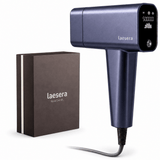
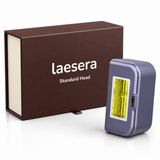
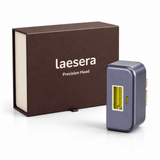
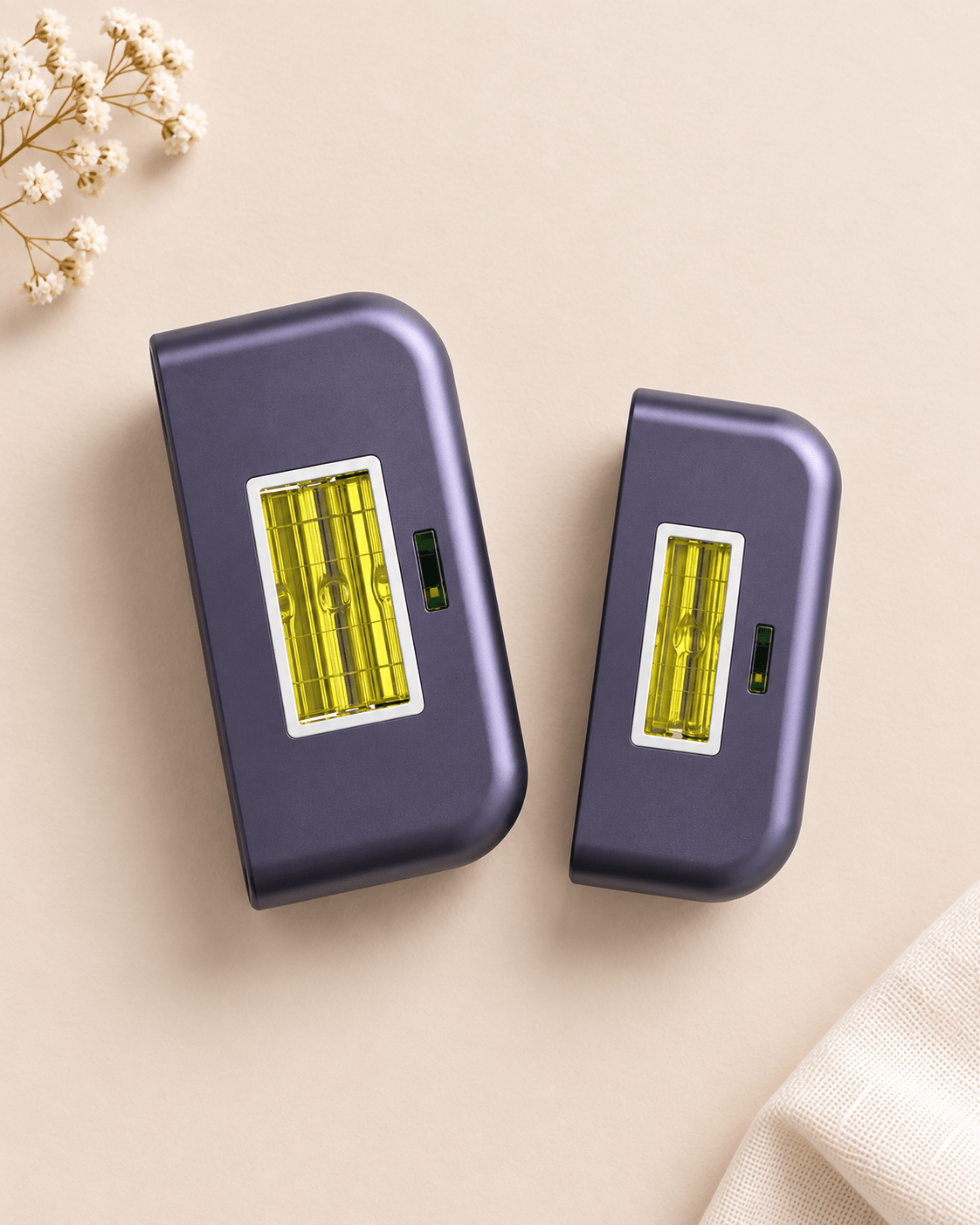
Welke flitskop past bij welke zone? Lees welk opzetstuk je voor welke zone gebruikt.

Benen: grote zone, relatief vergevingsgezind
Voor veel vrouwen zijn de benen de eerste zone waarvoor ze IPL willen gebruiken. Het oppervlak is groot, de huid is relatief stevig en de haargroei vaak voorspelbaar.
Behoeften van de huid op de benen
- Gelijkmatige behandeling – je wilt geen “strepen” of gemiste plekken
- Hydratatie – IPL kan de huid tijdelijk wat droger laten aanvoelen
- Tijd & rust – benen zijn een grote zone; gun jezelf de tijd
Risico’s & aandachtspunten
- Over dezelfde plek te vaak flitsen kan leiden tot overprikkeling en roodheid.
- Een te hoge intensiteit bij gevoelige huid kan branderig aanvoelen.
- Een zongebruinde huid reageert anders: altijd opletten met recente zonblootstelling.
Aanpak voor benen
- Vooraf scheren (24u vooraf, niet waxen of epileren).
- Begin met een rustige intensiteit en bouw op als de huid het goed verdraagt.
- Werk in rechte banen, licht overlappend, zodat je alles meeneemt.
- Na afloop een milde, parfumvrije bodylotion gebruiken.
Wil je precies weten hoe vaak je je benen met IPL behandelt, hoeveel tijd een sessie kost en wanneer je verschil kunt verwachten? Lees dan onze uitgebreide gids: IPL op de benen: sessies, tijd en resultaat.
Gezicht: dunne huid, subtiele balans
IPL gebruiken in het gezicht vraagt extra voorzichtigheid. De huid is dunner en gevoeliger en haar in het gezicht kan hormonaal gestuurd zijn.
Behoeften van de gezichtshuid
- Zachte benadering – liever iets langzamer resultaat dan agressieve behandeling
- Bescherming tegen zon – na IPL is je huid tijdelijk gevoeliger voor UV
- Gerichte behandeling – alleen daar waar je scheren of waxen normaal zou overwegen
Gevaren & beperkingen
- Nooit rond de ogen of op wenkbrauwen – hier loop je risico op oogschade.
- Verhoogd risico op hyperpigmentatie bij onbeschermde zonblootstelling.
- Actieve acne, rosacea of eczeem kunnen heviger reageren op licht en warmte.
Aanpak voor het gezicht
- Alleen toepassen onder de jukbeenderen (b.v. bovenlip, kin, kaaklijn).
- Altijd starten met een lage intensiteit, zeker bij gevoelige of droge huid.
- Na behandeling: aloe vera gel gebruiken gebruiken, ook op bewolkte dagen.
-
Bij hormonale schommelingen (bijv. PMOS, voorheen PCOS) kunnen resultaten variëren; stel je verwachtingen realistisch bij.
Oksels: kleine zone, grof haar
Oksels zijn een populaire zone voor IPL: het haar is vaak donker en grof, ideaal voor lichtgebaseerde technologie, en het resultaat maakt in het dagelijks comfort veel verschil.
Behoeften van de okselhuid
- Schone, droge huid – zonder deo, parfum of olie
- Minder wrijving – minder haargroei betekent vaak minder irritatie door scheren
- Voorzichtigheid in plooien – huidplooien maken het gebied gevoeliger
Mogelijke gevaren
- Warmte + wrijving (kleding) kunnen zorgen voor extra irritatie.
- Direct na IPL deo met alcohol gebruiken kan prikkelen of branderig voelen.
- Te veel overlappen met flitsen kan kleine brandpuntjes of roodheid geven.
Aanpak voor oksels
- Huid goed opschonen en drogen, geen deo of crème.
- Huid licht opspannen zodat het oppervlak vlak is.
- Start met lagere intensiteit en kijk hoe de huid reageert.
- Wacht na de behandeling minstens enkele uren met deo, kies het liefst een milde, parfumarme variant.
Bikinilijn: gevoelige zone met grove haren
De bikinilijn en eventuele brazilian-behandelingen vragen de meeste finesse. De haren zijn dik en donker, de huid is gevoelig en rijk doorbloed.
Behoeften van de bikinizone
- Rustig tempo – kleine zones, liever minder in één sessie dan te veel
- Zachte nazorg – geen agressieve scrubs of parfums direct na IPL
- Respect voor grenzen – IPL is bedoeld voor huid, niet voor slijmvliezen
Risico’s om te vermijden
- Te dicht bij of op slijmvliezen flitsen geeft risico op brandwondjes en pijn.
- Strak synthetisch ondergoed direct na de sessie kan extra irritatie geven.
- Hoge intensiteit op een al gevoelige huid kan onaangenaam pijnlijk zijn.
Aanpak voor bikinilijn
- Het gebied schoon, droog en geschoren (geen wax/epilatie).
- Nooit flitsen op binnenste schaamlippen of andere slijmvliezen – alleen op huid.
- Kleine stukjes tegelijk behandelen; bij ongemak meteen stoppen.
- Draag daarna losse, ademende stof (bijv. katoen) en vermijd direct heet bad of sauna.

Andere zones: armen, buik en rug
Hoewel benen, gezicht, oksels en bikinilijn vaak prioriteit hebben, kun je IPL ook gebruiken op andere lichaamsdelen, mits je de richtlijnen volgt.
Armen
- Geschikt voor wie dons of verspreide haargroei storend vindt.
- Huid is meestal redelijk vergevingsgezind.
- Let op drogere plekken; verzorg goed na.
Buik en onderbuik
- Vaak kleinere, verspreide haartjes.
- Extra voorzichtig rond littekens en moedervlekken: overslaan of afplakken.
Rug en schouders
- Grotere zones, soms moeilijk bereikbaar.
- Vraag eventueel iemand om te helpen, zodat je gelijkmatige dekking behoudt.
Gezonde grenzen: wanneer geen IPL?
Het is minstens zo belangrijk te weten wanneer je beter géén of nog even geen IPL gebruikt. Meestal wordt afgeraden te behandelen bij:
- zonverbrande of sterk recent gebruinde huid
- open wondjes, infecties, actieve huidziekten op de behandellocatie
- tatoeages en permanente make-up (deze zones overslaan)
- zeer donker huidtype waarvoor het apparaat niet geschikt is volgens de handleiding
Gebruik je medicatie die je huid lichtgevoeliger maakt (bijv. bepaalde antibiotica of acne-medicatie)? Overleg dan altijd met een arts voordat je start of doorgaat met IPL.
Van techniek naar comfort: jouw eigen IPL-routine
IPL-technologie is pas echt waardevol als ze zich voegt naar jouw leven, niet andersom. Dat betekent:
- per zone kijken wat je huid nodig heeft
- intensiteit en frequentie rustig opbouwen
- veiligheid en comfort voorop zetten
- accepteren dat resultaten verschillen per lichaam en haartype
Zo wordt IPL geen haastklus, maar een verzorgingsritueel waarin je jezelf serieus neemt, zowel wat betreft resultaat als wat betreft zachtheid en veiligheid.
Hieronder een praktisch overzicht per zone.
Aanbevolen IPL-frequentie per lichaamszone
| Lichaamszone | Week 1–4 (opbouw) | Week 5–8 (opbouw) | Onderhoud (vanaf week 9) | Extra aandacht / tips |
|---|---|---|---|---|
| Benen (onder- & bovenbenen) | 2x per week | 1x per week | Om de 4–8 weken, of bij nieuwe groei | Behandel in stroken, werk systematisch. Scheer 24u vooraf voor optimaal comfort. |
| Oksels | 2x per week | 1x per week | Om de 4–6 weken | Huid hier is gevoelig: start met lagere intensiteit en bouw rustig op. |
| Bikinilijn / schaamstreek | 2x per week | 1x per week | Om de 4–8 weken | Vermijd slijmvliezen en binnenste schaamlippen. Werk op goed gespannen huid. |
| Armen | 2x per week | 1x per week | Om de 6–8 weken | Ideaal als je lichtere dons of verspreide haargroei wilt verminderen. |
| Buik & onderbuik | 2x per week | 1x per week | Om de 6–8 weken | Let op moedervlekken: indien aanwezig afplakken of vermijden. |
| Rug & schouders | 2x per week | 1x per week | Om de 6–8 weken | Laat eventueel iemand meehelpen bij lastige hoeken, of gebruik spiegel. |
| Gezicht (vrouwen, onder de jukbeenderen) | 2x per week | 1x per week | Om de 4–6 weken | Alleen op plekken waar je normaal zou harsen/waxen. Vermijd gebied rond ogen & wenkbrauwen. |
| Bovenlip & kin | 2x per week | 1x per week | Om de 4–6 weken | Haren in het gezicht zijn vaak fijner: resultaten kunnen per persoon verschillen. |
Dit schema is bedoeld als algemene leidraad. Check altijd de richtlijnen en huidtype-indicaties van jouw specifieke IPL-apparaat.

Stap voor stap: zo pas je het schema toe
Gebruik bijvoorbeeld onderstaande vaste structuur. Dit kun je ook als kleine infographic of “routinekaart” vormgeven.
Voor elke behandeling
- 1. Scheer de zone 24 uur van tevoren (niet waxen/epileren, de haarwortel moet blijven zitten).
- 2. Reinig en droog de huid, zonder olie of vette crème.
- 3. Kies de juiste intensiteit voor jouw huidtype volgens de handleiding.
- 4. Plaats het venster vlak op de huid en werk in overlappende stroken.
- 5. Hydrateer de huid na afloop met een milde, parfumvrije verzorging.
Wanneer behandel je juist minder vaak?
IPL is krachtig, maar zacht bedoeld. Meer is niet altijd beter. Behandel minder vaak of sla een keer over bij:
- zichtbare irritatie, roodheid of warmte die niet binnen 24 uur wegtrekt
- zonverbrande huid of recente zonblootstelling (gebruik altijd SPF op blootgestelde zones)
- actieve huidproblemen zoals eczeem-opvlammingen, infecties of open wondjes
- donkere moedervlekken, tatoeages of permanente make-up (deze zones overslaan)
Twijfel je of jouw huid of medicatie samen gaat met IPL? Overleg dan met een arts of dermatoloog voordat je start.
Share:
Is IPL safe during pregnancy? What you really need to know
How long should you stay out of the sun after IPL?