
Je wilt minder tijd kwijt zijn aan ontharen, maar wél een huid die zacht, rustig en verzorgd aanvoelt. Tussen scheren, waxen, laser en IPL ontharing zie je al snel door de haartjes het bos niet meer.
In deze blog kijken we rustig en eerlijk naar één centrale vraag:
"Hoe effectief is IPL voor langdurige ontharing, vergeleken met andere methoden zoals scheren, waxen, epileren en laser?"
Met de blik van een drukbezette vrouw met gevoelige huid: je wilt minder irritatie, minder gedoe en je beauty-keuzes moeten kloppen met wie jij bent.
Wat bedoelen we met “langdurige ontharing”?
Voordat we IPL vergelijken, is het belangrijk om te benoemen wat “effectief” en “langdurig” in deze context betekenen.
- Scheren: haartjes zijn binnen 1–3 dagen weer terug.
- Waxen / epileren: haar blijft vaak 2–4 weken weg, omdat het met wortel en al wordt verwijderd.
- IPL en laser: richten zich op de haarwortel, met als doel de haargroei langdurig te verminderen. Resultaat: minder, dunner en langzamer teruggroeiende haren – soms maanden tot jaren met slechts onderhoud.
Belangrijk: ook bij IPL en laser spreken we in de praktijk meestal over langdurige haarreductie, niet over een magische 100% permanente oplossing.
Hoe werkt IPL en waarom is het effectief op de lange termijn?
IPL (Intense Pulsed Light) gebruikt krachtige lichtflitsen om het pigment (melanine) in de haarwortel te verwarmen. Die warmte verstoort het haarzakje, waardoor het haar minder goed of helemaal niet meer kan terugkomen.
Een paar punten die bijdragen aan de effectiviteit:
- IPL pakt veel haren tegelijk in een groter huidoppervlak.
- Het focust op melanine in de haarwortel, waardoor het meer doet dan alleen de zichtbare haar.
- Door een behandelkuur in meerdere sessies te volgen, worden haren in verschillende groeifases geraakt.
Dat maakt IPL bij correct gebruik geschikt voor:
- Langdurige haarreductie over grotere gebieden (bijvoorbeeld benen, armen, bikinilijn).
- Minder scheerbeurten, minder stoppels en minder kans op ingegroeide haartjes.

IPL vs. scheren: van dagelijks ritueel naar onderhoud
Scheren is snel, goedkoop en laagdrempelig. Maar qua effectiviteit op de langere termijn:
- De haar wordt alleen aan de oppervlakte afgesneden.
- Binnen enkele dagen voel je weer stoppels.
- Gevoelige huidtypes ervaren vaak scheerirritatie, rode bultjes en jeuk.
IPL ontharing daarentegen:
- Richt zich op de wortel, niet alleen op wat je ziet.
- Kan na een volledige kuur zorgen voor aanzienlijk minder haargroei op lange termijn.
- Vermindert de noodzaak om te scheren, sommige vrouwen gebruiken alleen nog af en toe een scheermes als “finishing touch”.
Voor de drukbezette, gevoelige huid is het verschil duidelijk:
- Scheren = snel, maar eeuwig herhalen.
- IPL = investering in tijd, met later juist méér rust en minder gedoe.
IPL vs. waxen: minder pijn, meer voorspelbaarheid
Waxen en harsen verwijderen haar met wortel en al. De voordelen:
- Haren blijven vaak 2–4 weken weg.
- De haar groeit vaak zachter terug dan bij scheren.
Maar er zijn ook nadelen, zeker als je huid gevoelig is:
- Het trekken aan de huid kan pijnlijk zijn, vooral bij bikinilijn en oksels.
- Kans op ingegroeide haartjes en ontstekingen als de huid gevoelig reageert.
- Je moet de haartjes eerst weer laten groeien tot een bepaalde lengte, niet ideaal als je je graag altijd glad voelt.
IPL ontharing biedt hier een andere ervaring:
- Minder “plak- en trekwerk”, de behandeling is vaak minder pijnlijk dan waxen of harsen.
- Je hoeft de haren juist kort te scheren vóór behandeling, waardoor je huid er al glad uitziet tijdens de kuur.
- Op de lange termijn kun je uitkomen op minder totale haardichtheid dan met waxen alleen.
Waxen blijft een optie als je snel een haarvrije periode wilt.
IPL is geschikter als je op de langere termijn echt structureel minder haargroei wil, met meer comfort.
IPL vs. epileren: comfort en oppervlak
Epilatoren trekken, net als wax, de haren met wortel en al uit.
Pluspunten:
- Haren blijven enkele weken weg.
- Precisie op kleinere zones (bijv. oksels, benen, bikinilijn).
Minpunten:
- Vaak ervaren als intens pijnlijk, zeker bij gevoelige huid of gevoelige zones.
- De herhaalde mechanische belasting kan de huid irriteren.
- Grotere oppervlakken (zoals bovenbenen) kosten veel tijd en geduld.
IPL pakt grotere oppervlakken veel comfortabeler aan:
- In plaats van haar per haar, behandel je in één lichtflits een brede zone.
- De sensatie is vaak een warm tikje in plaats van continu trekken.
- Het is beter vol te houden als je benen, armen én bikinilijn wilt aanpakken.
Voor wie epileren te intens of tijdrovend vindt, biedt IPL een zachter en efficiënter alternatief – met een sterker effect op de lange termijn.
IPL vs. laserontharing: professioneel vs. thuis
Laserontharing in een kliniek of salon en IPL ontharing thuis worden vaak in één adem genoemd, maar er zijn duidelijke verschillen.
Laserontharing (professioneel):
- Werkt met een enkele, gerichte golflengte licht.
- Kan per puls heel gericht energie afgeven in de haarwortel.
- Wordt uitgevoerd door professionals met apparatuur met hogere energie-instellingen.
- Geeft vaak snellere en intensievere resultaten, maar vergt meerdere sessies en een grotere financiële investering.
IPL ontharing thuis:
- Werkt met een breder spectrum aan lichtgolflengtes.
- Heeft lagere energie-instellingen dan professionele apparatuur – juist om veilig thuis te gebruiken.
- Vereist meer sessies en regelmatig onderhoud, maar geeft bij consequent gebruik een zichtbare, langdurige haarreductie.
Samengevat:
-
Wil je maximale, snelle haarreductie en heb je budget én tijd voor meerdere kliniekbezoeken? Dan kan professionele laser een sterke optie zijn.
-
Wil je flexibiliteit, privacy en controle met een apparaat dat je op elk moment kunt pakken, dan is IPL ontharing thuis vaak de meest haalbare, elegante oplossing.

Voor wie is IPL effectief en voor wie minder?
De effectiviteit van IPL hangt sterk samen met je huid- en haartype:
IPL werkt het beste bij:
- Lichte tot medium huidskleur.
- Donkerblond, bruin of zwart haar.
IPL is meestal minder effectief of ongeschikt bij:
- Zeer licht blond, rood of grijs haar (te weinig pigment).
- Zeer donkere huidtypes (te veel pigment in de huid, verhoogd risico op verbranding of verkleuring bij veel apparaten).
Veel moderne IPL-apparaten hebben daarom:
- Een huidsensor, die controleert of een zone veilig behandeld kan worden.
- Duidelijke tabellen met huidskleur- en haarkleurcombinaties in de handleiding.
Als je binnen het “ideale bereik” valt, is de kans groot dat je een merkbare, langdurige haarreductie zult zien bij consequent gebruik.
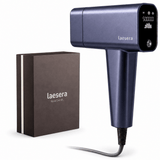
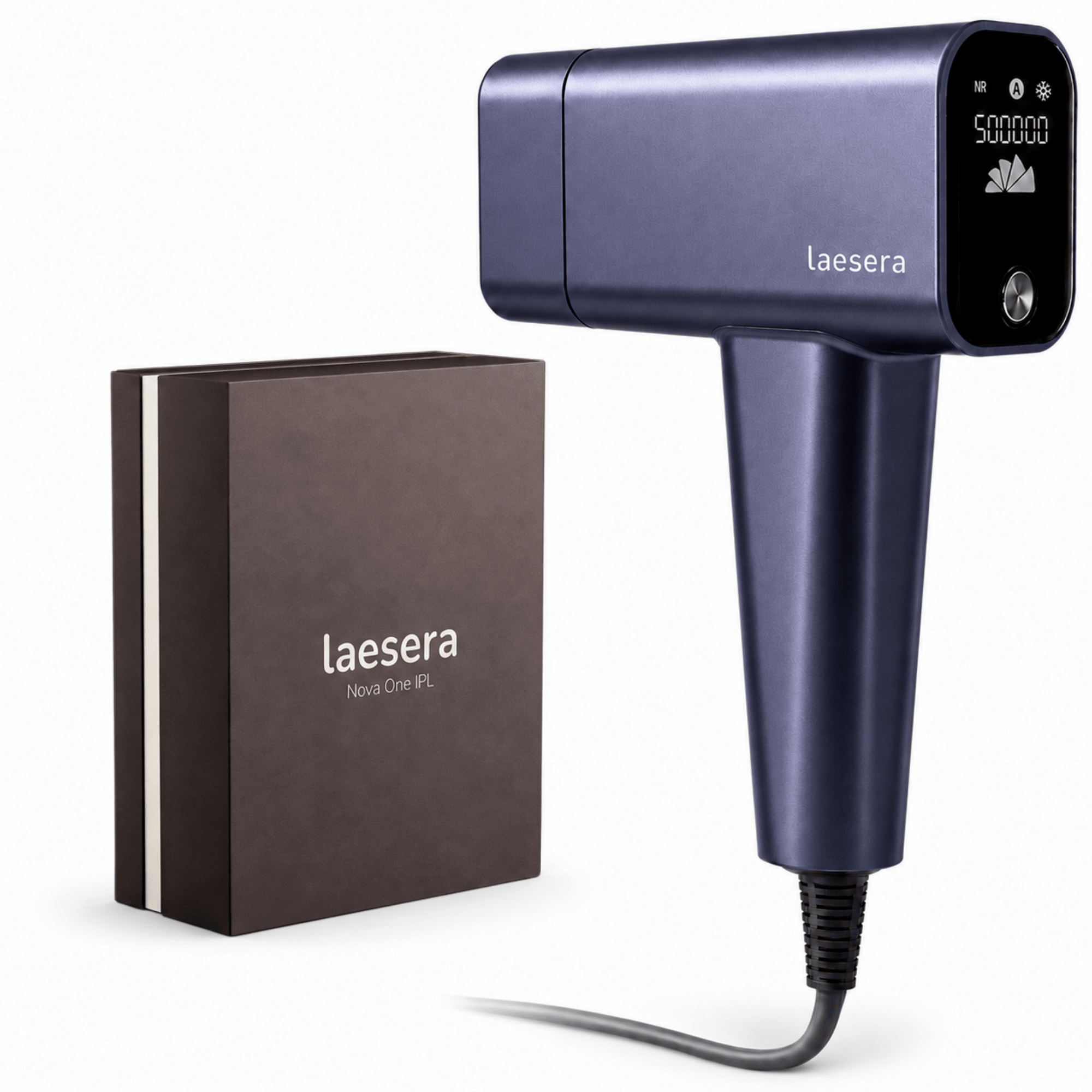
Hoe past een apparaat als Laesera Nova One IPL hierin?
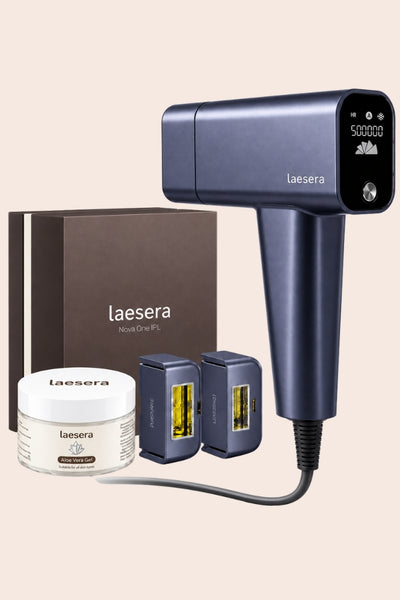
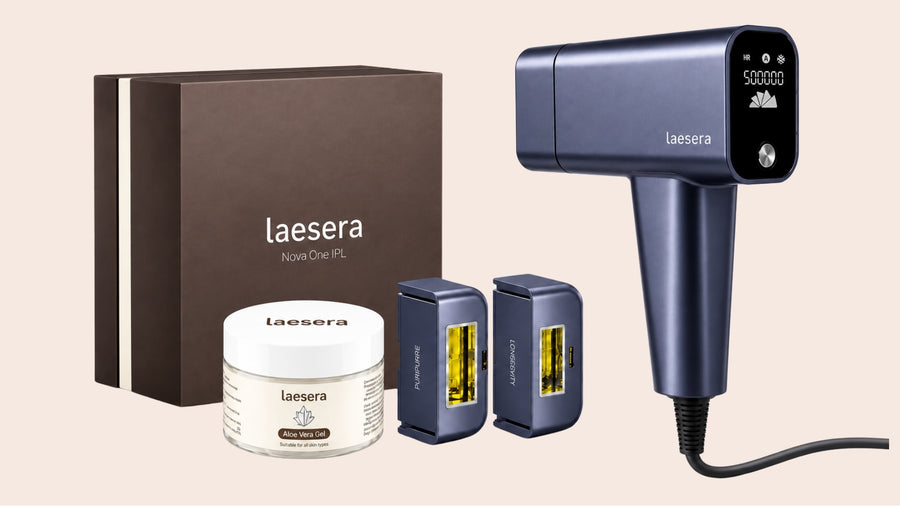
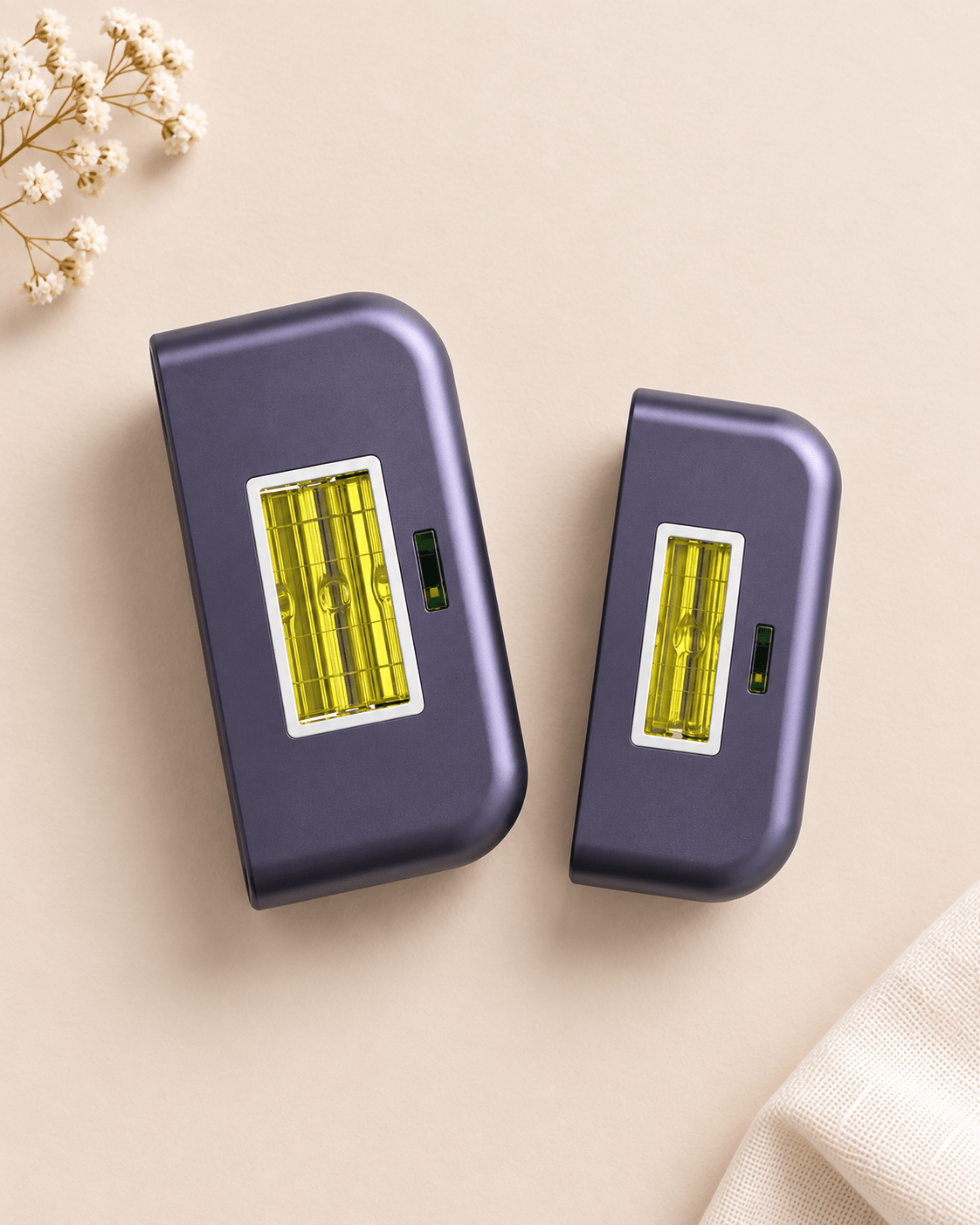
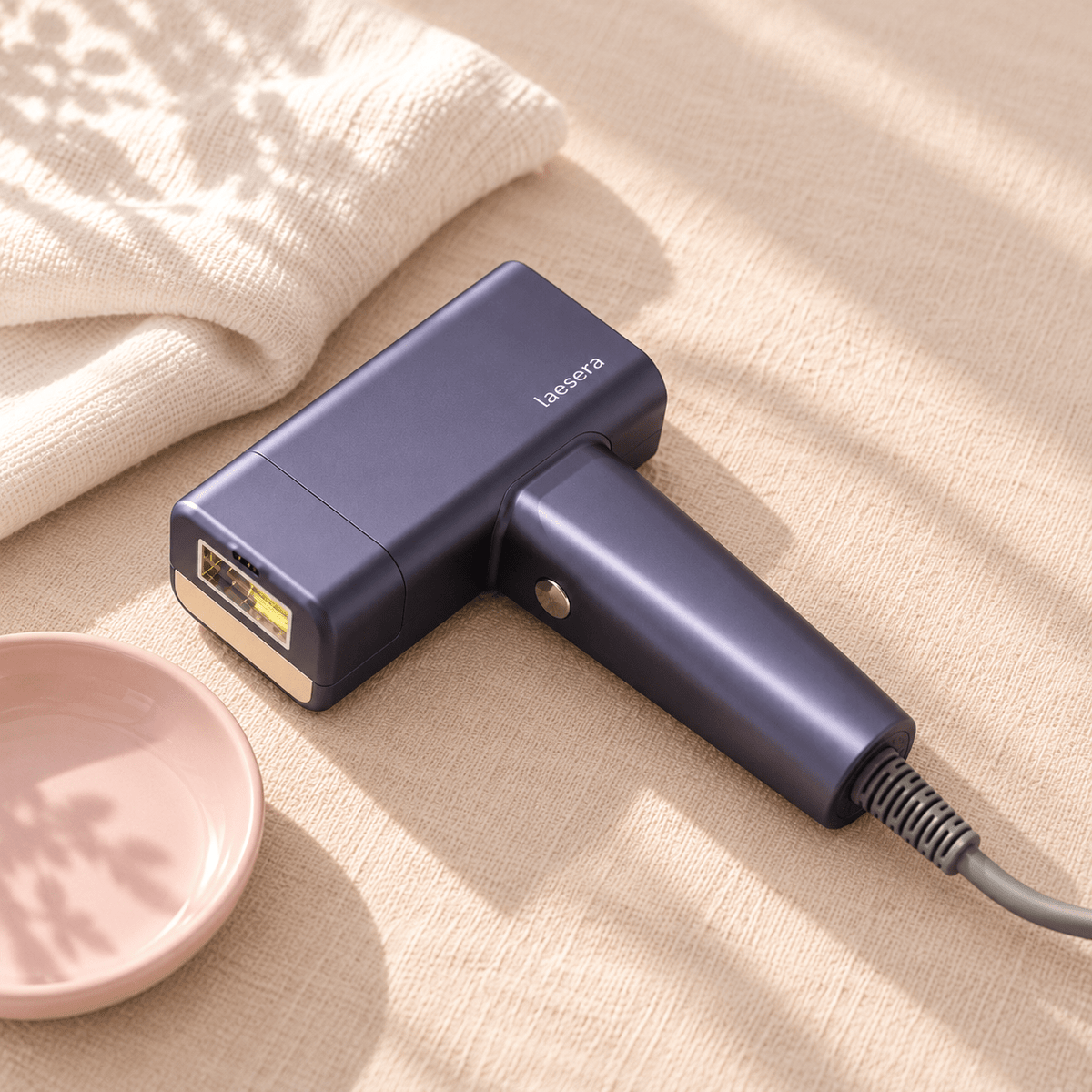
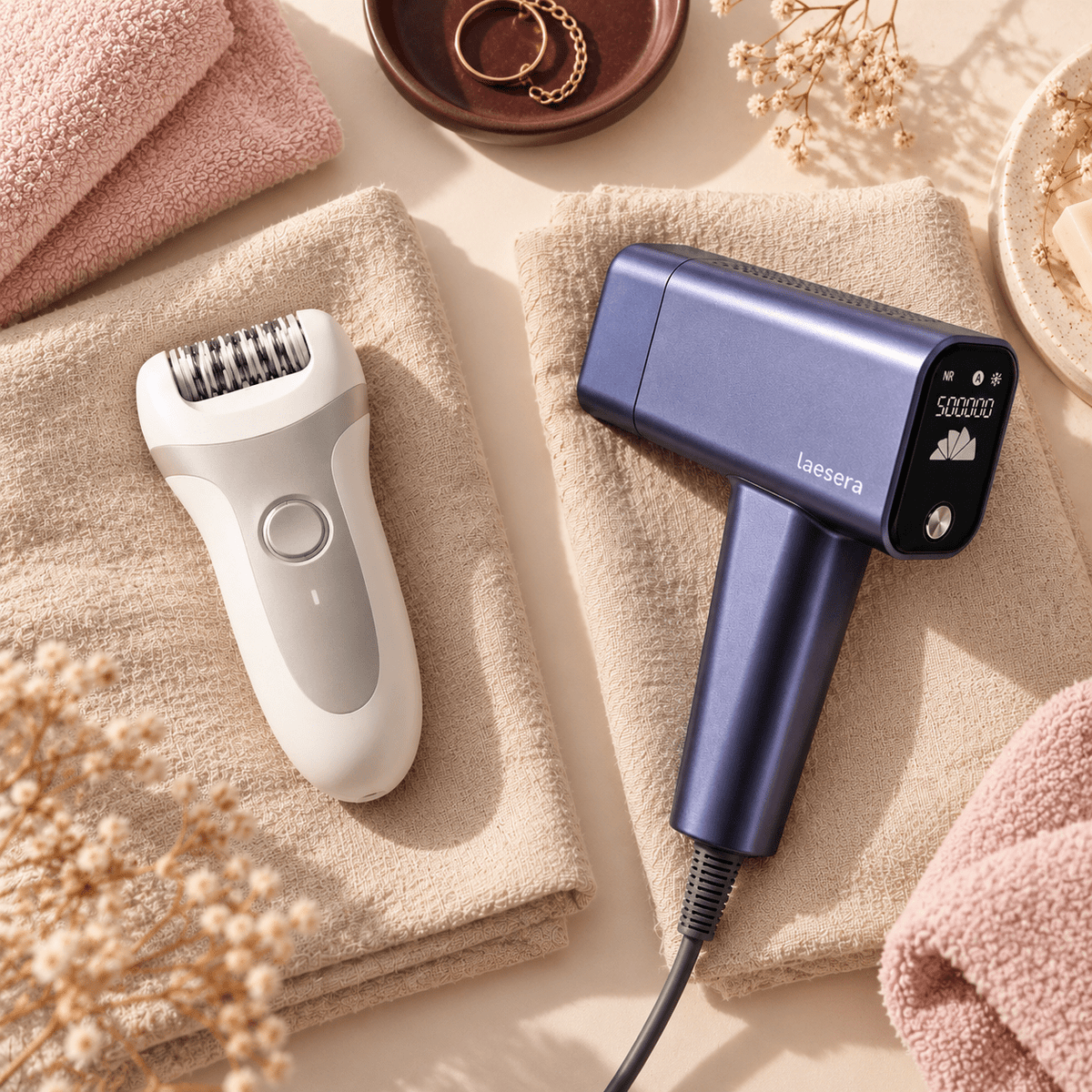
Zie een toestel zoals Laesera Nova One IPL als jouw persoonlijke, elegante assistent voor langdurige haarreductie:
- Ontworpen voor vrouwen die design, comfort én effectiviteit belangrijk vinden.
- Voor wie geen compromis willen tussen een mooi apparaat en betrouwbare technologie.
Ideaal als je:
- Minder afhankelijk wilt zijn van salonafspraken.
- Je gevoelige huid wilt ontlasten van constant scheren of agressieve methoden.
- Je ontharingsroutine wilt omtoveren tot een rustig, luxe moment voor jezelf.
Waar andere methoden vooral “symptomen” aanpakken (steeds opnieuw).
Een goed IPL apparaat voor thuis ondersteunt je in een langdurige strategie: minder haargroei, minder irritatie, meer gemak.
Oftewel: een investering in rust op je huid en in je agenda.
Conclusie: hoe effectief is IPL nu echt vergeleken met andere methoden?
| Methode | Voordelen | Nadelen | Duur van het resultaat | Comfort (gevoelige huid) | Kosten op lange termijn |
|---|---|---|---|---|---|
| Scheren | - Snel- Goedkoop in aanschaf | - Zeer kort effect (dagen)- Veel herhaling- Kans op irritatie & sneetjes | Enkele dagen | Laag – vaak irritatie & stoppels | Laag per keer, hoog door herhaling |
| Waxen / epileren | - Gladde huid voor weken- Haar met wortel verwijderd | - Pijnlijk- Risico op ingegroeide haren- Vraagt discipline | ± 3–6 weken | Matig – gevoelig en pijnlijk | Terugkerende kosten (salon/sets) |
| Laser (professioneel) | - Zeer krachtige haarreductie- Onder professionele begeleiding | - Hoge kostprijs per sessie- Salonafspraken, minder flexibel | Maanden tot jaren (onderhoud) | Redelijk, maar intensieve sessies | Hoog – traject in kliniek |
| IPL ontharing thuis | - Langdurige haarreductie- Minder vaak scheren- Thuis op eigen moment | - Vereist consistent gebruik- Resultaten variëren per persoon | Maanden, met onderhoud | Vaak zachter dan wax/epilatie, geschikt voor veel gevoelige huiden | Eenmalige investering, zeer kostenefficiënt |
Voor veel vrouwen is IPL ontharing thuis de meest elegante balans tussen:
Effectiviteit op de lange termijn, comfort voor de gevoelige huid en vrijheid in je dagelijkse leven.
Zo kun jij, met een apparaat dat past bij jouw stijl, letterlijk en figuurlijk je eigen glow in handen nemen.
Share:
Why shave before IPL? How to get the most out of your at-home treatment
What is the best way to remove hair? Shaving, waxing or IPL?