
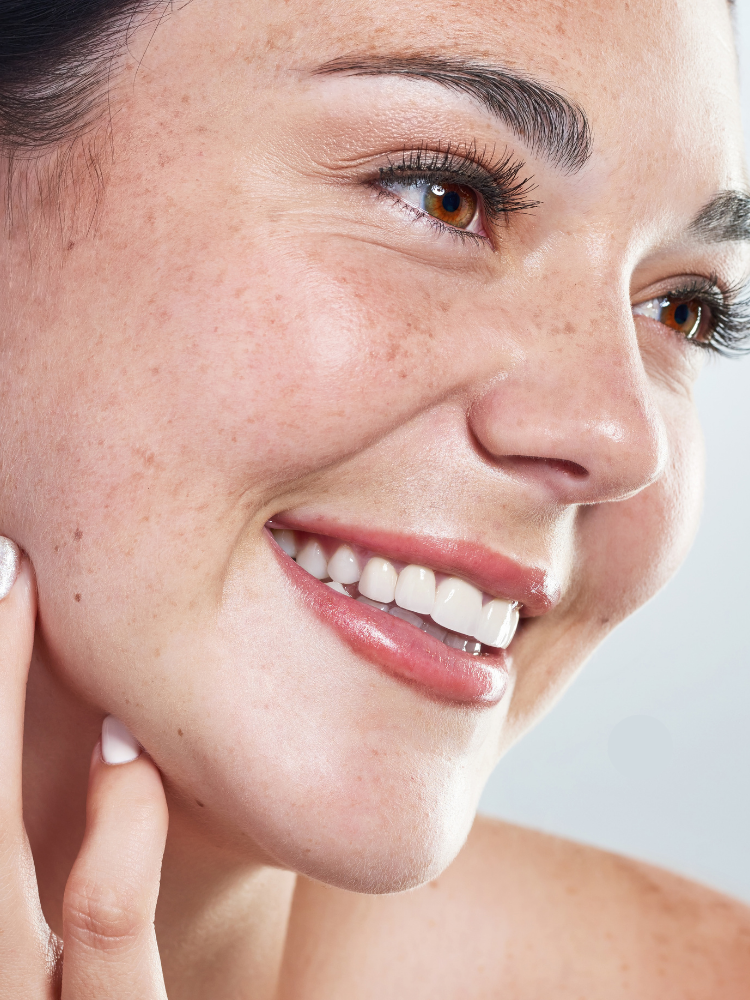
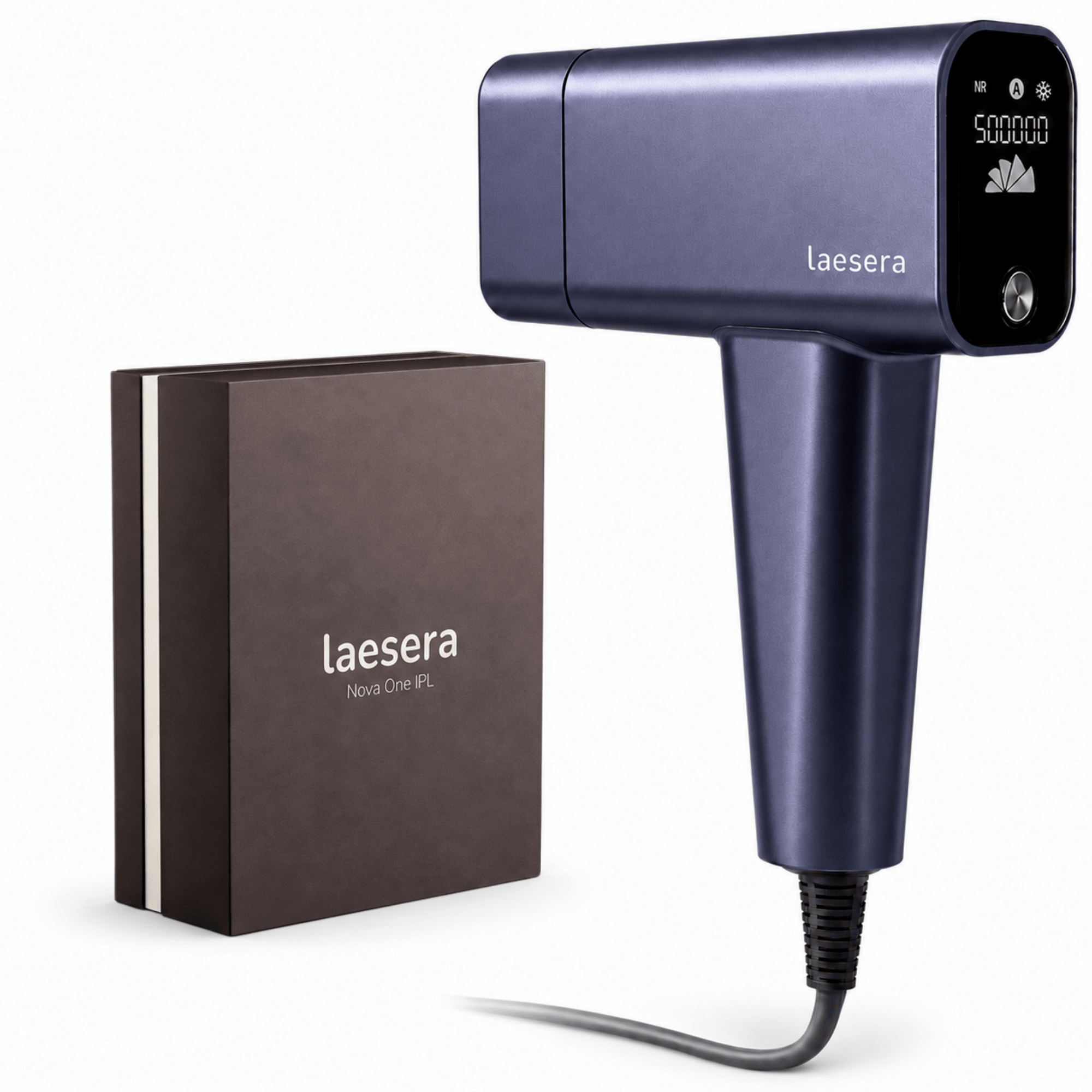
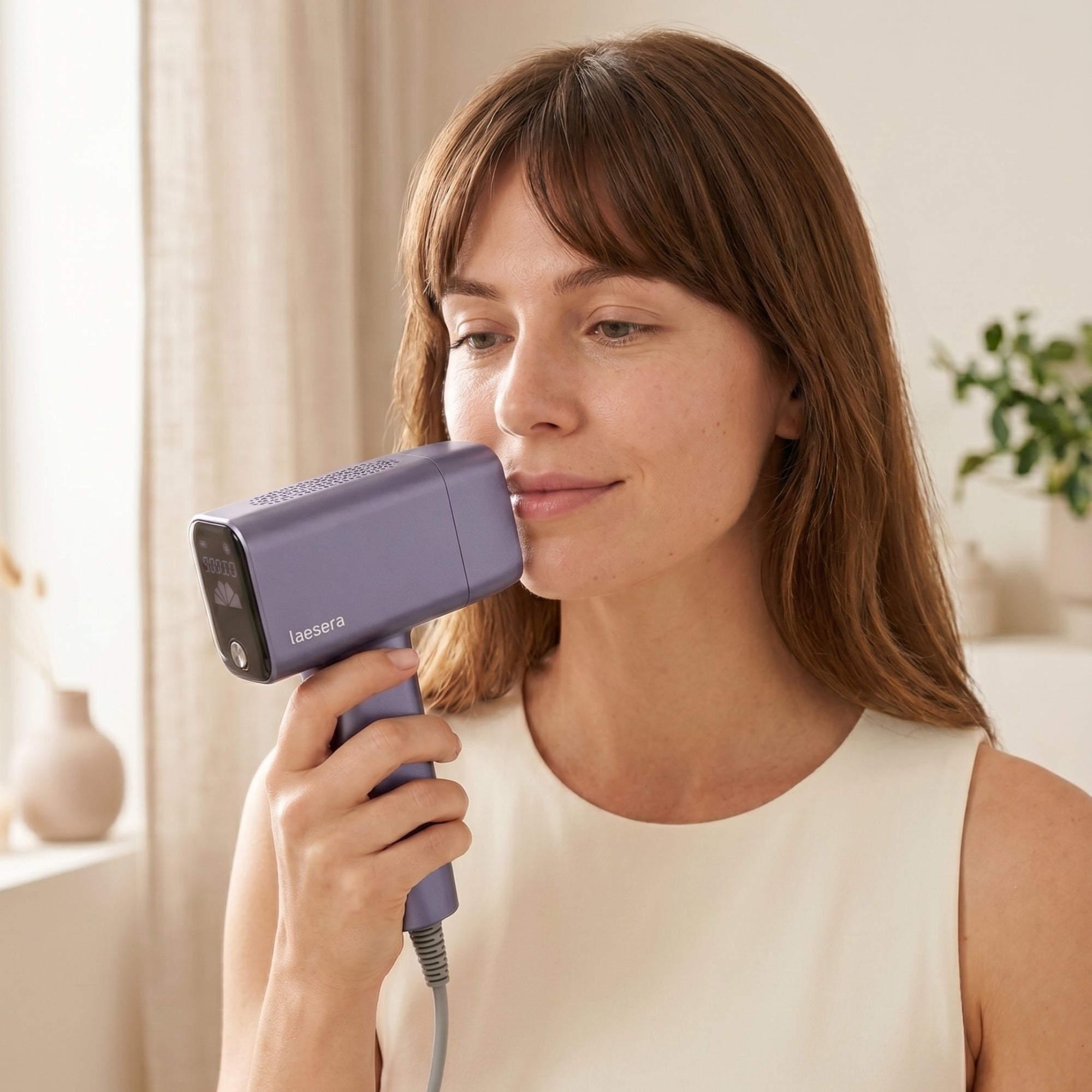
Is IPL gezicht een goede keuze als je haartjes op je bovenlip, kin of kaaklijn wilt verminderen? Dat is een logische vraag. De huid van je gezicht voelt kwetsbaarder dan je benen of oksels, en niemand wil irritatie, rode plekjes of pigmentvlekken riskeren.
Toch kan IPL voor sommige gezichtsgebieden een fijne optie zijn. Vooral wanneer je donkere haartjes hebt die steeds terugkomen na scheren, harsen of epileren. De sleutel zit in veilig gebruik, realistische verwachtingen en weten wanneer IPL juist níet geschikt is.
In deze blog lees je wat IPL op het gezicht doet, voor wie het werkt, waar je extra voorzichtig mee moet zijn en waarom de bovenlip om precisie vraagt.
Wat is IPL voor het gezicht?
IPL staat voor Intense Pulsed Light. Het is een technologie die lichtflitsen gebruikt om het pigment in een haar te bereiken. Dat licht wordt omgezet in warmte, waardoor de haarwortel tijdelijk minder actief kan worden.
Bij IPL voor het gezicht gebruik je dezelfde basiswerking als op het lichaam, maar dan op kleinere en gevoeligere zones. Denk aan de bovenlip, kin en kaaklijn. Dat vraagt om meer controle, een passend opzetstuk en een rustige aanpak.
IPL is geen laser. Een laser gebruikt meestal één specifieke golflengte, terwijl IPL breder licht gebruikt. Daarom wordt IPL vaak ingezet voor grotere oppervlakken, maar bij het gezicht draait het juist om nauwkeurigheid. Dermatologische bronnen beschrijven IPL als een lichtbehandeling die pigment, vaatjes of haarpigment kan targeten, afhankelijk van instelling en toepassing.
Waarom werkt IPL vooral op donkere haartjes?
IPL reageert op melanine, het pigment dat kleur geeft aan haar en huid. Donkere haren bevatten meer melanine dan blonde, rode, grijze of witte haren. Daardoor nemen donkere haren het licht beter op.
Dat verklaart meteen waarom IPL op donshaartjes vaak minder goed werkt. Veel donshaartjes zijn licht, dun en bevatten weinig pigment. Dan heeft het licht minder “houvast”. Bij donkere haartjes op de bovenlip of kin is de kans op zichtbaar resultaat meestal groter.
Wat maakt het gezicht anders dan andere zones?
Je gezicht is dagelijks zichtbaar en krijgt veel zonlicht. De huid kan ook sneller reageren op actieve skincare, make-up, exfolianten of hormonale schommelingen. Een kleine fout valt daardoor sneller op.
Daarom moet IPL op het gezicht voorzichtiger gebeuren dan op bijvoorbeeld je benen. Niet omdat het altijd gevaarlijk is, maar omdat de marge kleiner is.
Hoe werkt IPL gezicht in de praktijk?
Bij IPL op het gezicht behandel je meestal kleine zones. De bovenlip is het bekendste voorbeeld. Ook de kin en kaaklijn worden vaak genoemd, zeker bij donkere terugkerende haartjes.
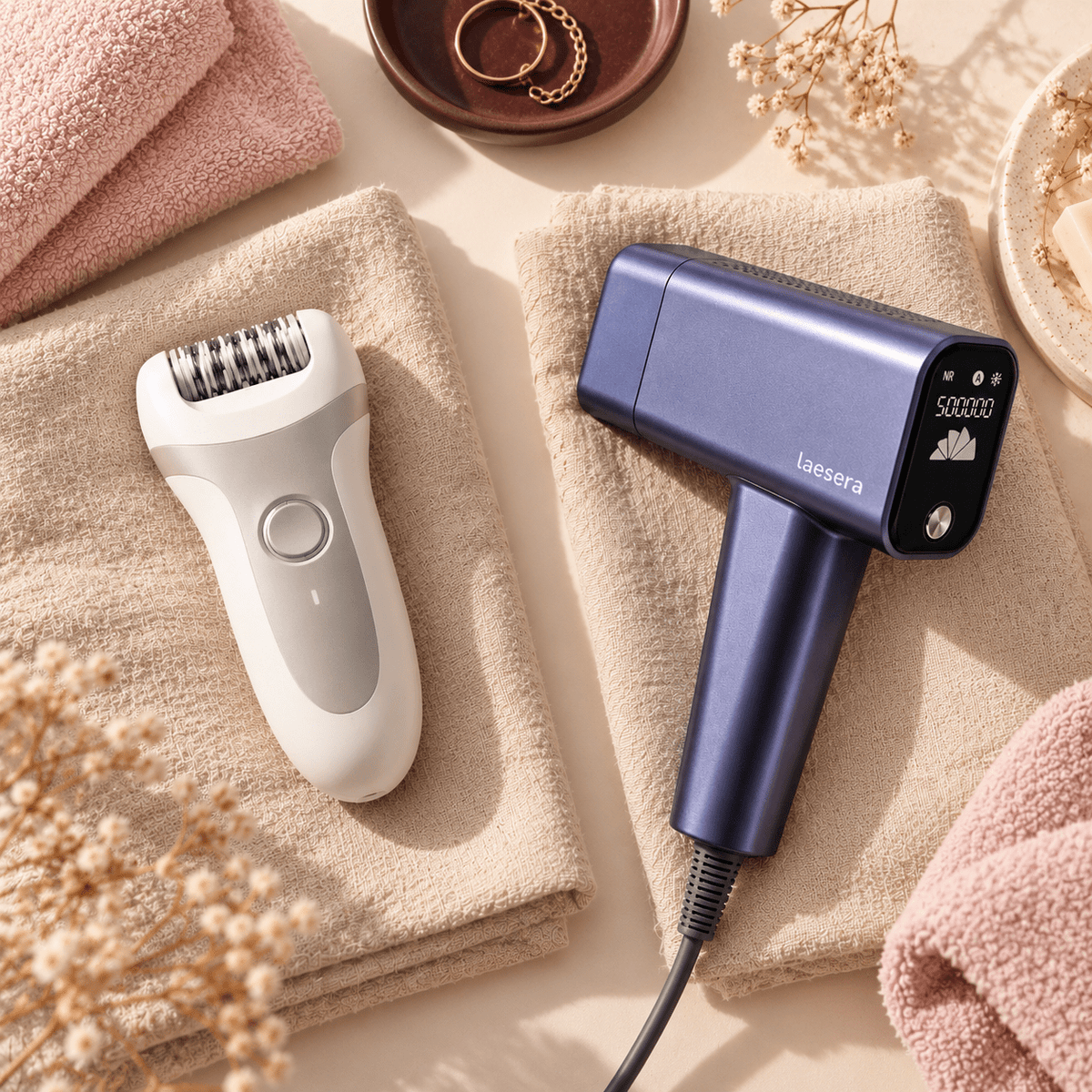
Voor gebruik scheer je de haartjes kort weg. Dat klinkt misschien vreemd bij het gezicht, maar het voorkomt dat het haar boven de huid te veel warmte vasthoudt. Epileren, waxen of threaden vlak voor IPL is juist niet handig, omdat de haarwortel dan uit de huid is verwijderd. IPL heeft die haarwortel nodig als doelwit.
Daarna plaats je het apparaat vlak op de huid en flits je volgens de handleiding. Bij het gezicht is een klein venster of precisieopzetstuk prettig, omdat je beter rond de bovenlip en kin kunt werken. Je wilt niet “ongeveer” behandelen, maar gecontroleerd.
Hoe vaak moet je IPL op je gezicht gebruiken?
De meeste IPL-routines werken met een opbouwfase. In die fase behandel je vaak wekelijks of tweewekelijks, afhankelijk van het apparaat. Daarna volgt onderhoud.
Verwacht geen glad resultaat na één sessie. Haar groeit in cycli. IPL werkt vooral op haren die op dat moment in de actieve groeifase zitten. Andere haren worden later actief, waardoor je meerdere behandelingen nodig hebt.
Een realistische verwachting is: na enkele weken merk je vaak dat haren trager terugkomen of fijner ogen. Het eindresultaat verschilt per persoon, per haarkleur, per huidtype en per hormonale oorzaak.
Marketingclaim versus werkelijkheid
Je ziet soms beloftes als “definitief haarvrij” of “permanent glad”. Dat is te kort door de bocht. IPL kan haargroei verminderen, maar onderhoud blijft vaak nodig.
Zeker in het gezicht spelen hormonen een grotere rol. Haartjes op kin, bovenlip of kaaklijn kunnen onder invloed staan van hormonale veranderingen, aanleg, PMOS (voorheen PCOS), zwangerschap, overgang of medicatie. In zulke gevallen kan IPL helpen verminderen, maar het neemt de oorzaak niet weg.
Is IPL geschikt voor bovenlip, kin en kaaklijn?
Ja, IPL kan geschikt zijn voor de bovenlip, kin en kaaklijn, mits je huid- en haarkleur passen bij het apparaat en je de veiligheidsregels volgt. Gebruik IPL in het gezicht alleen op zones die daarvoor bedoeld zijn.
Veel merken en dermatologische richtlijnen adviseren om IPL niet dicht bij de ogen te gebruiken. Braun vermeldt bijvoorbeeld dat IPL op het gezicht alleen onder de jukbeenderen gebruikt moet worden en niet vlak bij de ogen of op het voorhoofd.
Bovenlip
De bovenlip is klein, gevoelig en gebogen. Daardoor is precisie belangrijk. Een te groot behandelvenster kan onhandig zijn, vooral bij de rand van je lippen of neus.
Gebruik IPL nooit op je lippen zelf. Behandel alleen de huid erboven waar haartjes groeien. Trek eventueel je lip strak naar binnen, zodat de huid vlakker ligt. Werk rustig en gebruik geen hogere stand “omdat het sneller moet”.
Kin
De kin is vaak makkelijker te behandelen dan de bovenlip, omdat het oppervlak wat steviger is. Toch kunnen haartjes hier hormonaal zijn. Heb je plots veel nieuwe, donkere of stugge haren op de kin? Dan kan het verstandig zijn om de oorzaak met een arts te bespreken.
Kaaklijn
De kaaklijn vraagt om goed contact met de huid. Door de hoek van je gezicht kan het apparaat minder goed aansluiten. Een kleiner opzetstuk helpt om gelijkmatiger te werken.
Werk niet door richting hals als de handleiding dat afraadt. Volg altijd de zones die jouw apparaat toestaat.
Voor wie is IPL gezicht geschikt en voor wie niet?
IPL werkt niet voor iedereen even goed. Dat is misschien het belangrijkste om vooraf te weten.
| Situatie | Geschiktheid voor IPL gezicht |
|---|---|
| Lichte huid + donkere haren | Meestal het meest geschikt |
| Medium huid + donkere haren | Vaak mogelijk, afhankelijk van apparaat en instelling |
| Donkere huidtypes | Meer voorzichtigheid nodig; hoger risico op warmte- of pigmentreacties |
| Blonde, rode, grijze of witte haren | Meestal weinig effect |
| Recent gebruinde huid of zelfbruiner | Niet behandelen |
| Actieve irritatie, wondjes of ontsteking | Wachten tot de huid rustig is |
| Rond ogen, wenkbrauwen of voorhoofd | Niet gebruiken |
Huidtype en pigment
Omdat IPL licht op pigment reageert, speelt je huidtype een grote rol. Bij donkere huidtypes zit er meer melanine in de huid zelf. Daardoor kan de huid ook licht opnemen, niet alleen het haar. Dat vergroot de kans op verbranding, verkleuring of pigmentreacties.
ARPANSA, de Australische autoriteit voor stralingsbescherming, geeft aan dat mensen met Fitzpatrick huidtype IV en hoger meer risico lopen bij lichtbehandelingen, omdat hun huid meer pigment bevat.
Dat betekent niet dat niemand met een getinte huid ooit IPL kan gebruiken. Het betekent wel dat je extra kritisch moet zijn op de geschiktheid van het apparaat, de huidtoonsensor, de instelling en de handleiding.

Haarkleur
IPL werkt het best op donkere haren. Lichtblonde, rode, grijze en witte haren bevatten vaak te weinig melanine. Dan kan het apparaat flitsen, maar gebeurt er weinig bij de haarwortel.
Bij donshaartjes is het verschil groot. Donker dons kan deels reageren. Licht dons meestal nauwelijks.
Wanneer kun je beter geen IPL op je gezicht gebruiken?
Gebruik IPL niet op je gezicht bij:
- recent verbrande of gebruinde huid;
- zelfbruiner op het behandelgebied;
- wondjes, eczeem, actieve acne of irritatie;
- moedervlekken, tatoeages of permanente make-up in het behandelgebied;
- gebruik van lichtgevoelige medicatie;
- zwangerschap, tenzij je arts of handleiding expliciet anders aangeeft;
- huidziekten of pigmentstoornissen zonder professioneel advies.
Bij twijfel is wachten vaak verstandiger dan testen op een zichtbaar deel van je gezicht.
Veelgemaakte fouten bij IPL gezicht
1. Te dicht bij de ogen behandelen
Dit is de belangrijkste fout. IPL hoort niet bij je ogen, wenkbrauwen of oogleden. Ook niet “heel voorzichtig”. De huid rond de ogen is dun en je ogen zelf zijn gevoelig voor intens licht.
Behandel daarom alleen de zones die je apparaat toestaat. Meestal zijn dat bovenlip, kin en kaaklijn.
2. IPL gebruiken op gebruinde huid
Een zongebruinde huid bevat tijdelijk meer actief pigment. Daardoor kan de huid meer licht opnemen. Dat verhoogt het risico op roodheid, warmtegevoel, branderigheid of pigmentvlekken.
Klinieken adviseren vaak om IPL niet te doen op recent gebruinde huid en vooraf zon, zonnebank of zelfbruiner te vermijden.
3. Waxen of epileren vlak voor IPL
IPL heeft een haarwortel nodig om te werken. Als je waxed, epileert of threadt, trek je die haarwortel uit de huid. Dan heeft de lichtflits minder doel.
Scheren is meestal de beste voorbereiding. Dat voelt bij gezichtshaar misschien onwennig, maar het maakt de behandeling juist veiliger en gerichter.
4. Te snel resultaat verwachten
Gezichtshaar kan hardnekkig zijn. Vooral kin- en kaaklijnhaartjes kunnen hormonaal reageren. Eén sessie zegt weinig.
Zie IPL als routine, niet als snelle correctie. Het doel is geleidelijke vermindering van haargroei, niet een magische reset.
5. De hoogste stand gebruiken
Meer kracht betekent niet automatisch beter resultaat. Op het gezicht kan een te hoge stand juist irritatie geven. Begin rustig, volg de huidtoonsensor en test eerst op een klein stukje.
Praktische tips voor veilig gezicht ontharen met IPL
Voor je begint
Reinig je huid. Verwijder make-up, SPF, olie en parfum. Scheer het gebied voorzichtig. Dep droog.
Gebruik geen exfoliërende zuren, retinol of agressieve actieve skincare vlak voor je IPL-sessie. Je huid hoeft niet “extra glad” te zijn. Ze moet vooral rustig zijn.
Controleer ook de handleiding van je apparaat. Niet elk IPL-apparaat is bedoeld voor het gezicht.
Tijdens de behandeling
Werk bij daglicht of goed licht. Span de huid licht aan, vooral bij de bovenlip. Plaats het venster volledig op de huid. Flits niet meerdere keren op exact dezelfde plek.
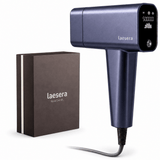
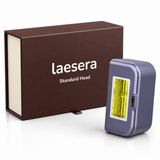
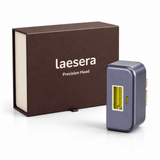
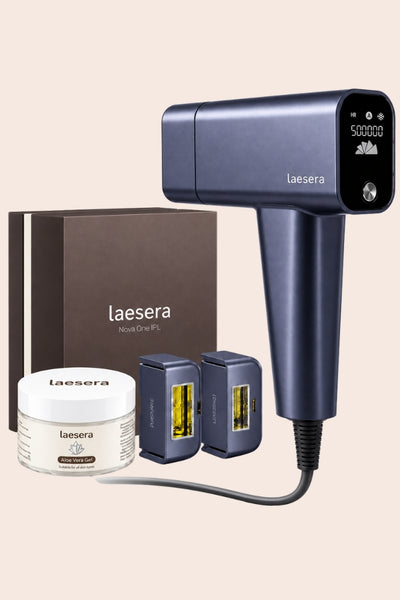
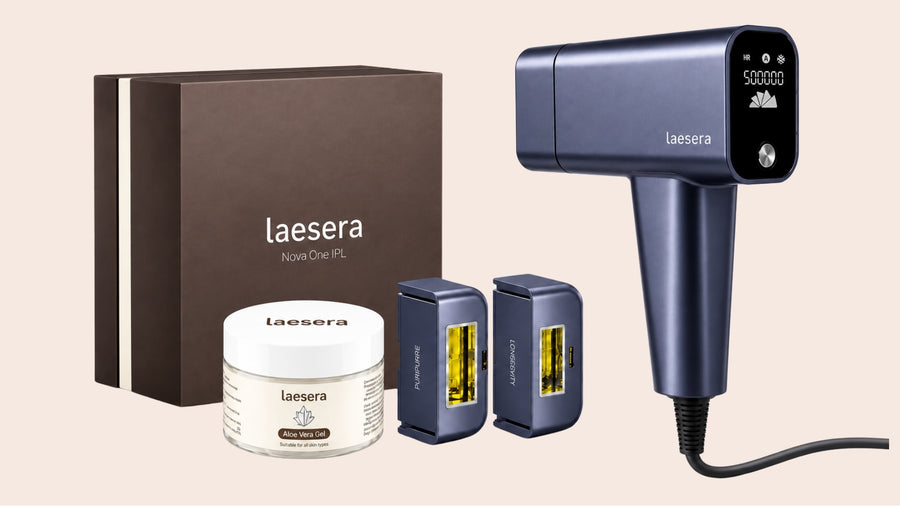
Een precisieopzetstuk is hierbij handig. Zeker bij de bovenlip helpt een kleiner behandelvenster om gecontroleerd te werken rond de neus, mondhoeken en kin. Bij een apparaat zoals de Laesera Nova One past zo’n precisieopzetstuk bij het idee van rustig en nauwkeurig behandelen, zonder dat je groter werkt dan nodig is.
Na de behandeling
Houd je huid simpel. Gebruik een milde, parfumvrije moisturizer. Vermijd hete douches, sauna, intens sporten en exfolianten kort na de behandeling als je huid gevoelig reageert.
Gebruik overdag SPF. Dat is extra belangrijk bij het gezicht. Je behandelt een zone die dagelijks licht ziet, en pigmentreacties wil je juist voorkomen.
Wat kun je voelen?
Een lichte warmte of korte prikkel kan normaal zijn. Je huid kan tijdelijk roze zijn. Dat zou rustig moeten wegtrekken.
Stop als je scherpe pijn, branderig gevoel, blaasjes, aanhoudende roodheid of duidelijke verkleuring ziet. Behandel dan niet opnieuw voordat je weet wat er gebeurde.
Conclusie
IPL kan goed zijn voor je gezicht, vooral bij donkere haartjes op de bovenlip, kin en kaaklijn. Het is minder geschikt voor licht dons, donkere huidtypes zonder passend apparaat, recent gebruinde huid of zones rond de ogen.
De belangrijkste regel is: werk rustig, precies en realistisch. IPL is geen snelle belofte van een haarvrij gezicht, maar kan wel helpen om terugkerende haargroei geleidelijk te verminderen.
Twijfel je over je huidtype, pigmentvlekken of hormonale haargroei? Kies dan voor voorzichtigheid en vraag professioneel advies.

Share:
IPL and hormones: why hair growth returns and what you can do about it
IPL and PMOS: does IPL work for hormonal hair growth?